
When planning for pregnancy, women should consider supplementing their diet with vitamins and minerals [1].
Which vitamins do expectant mothers need?
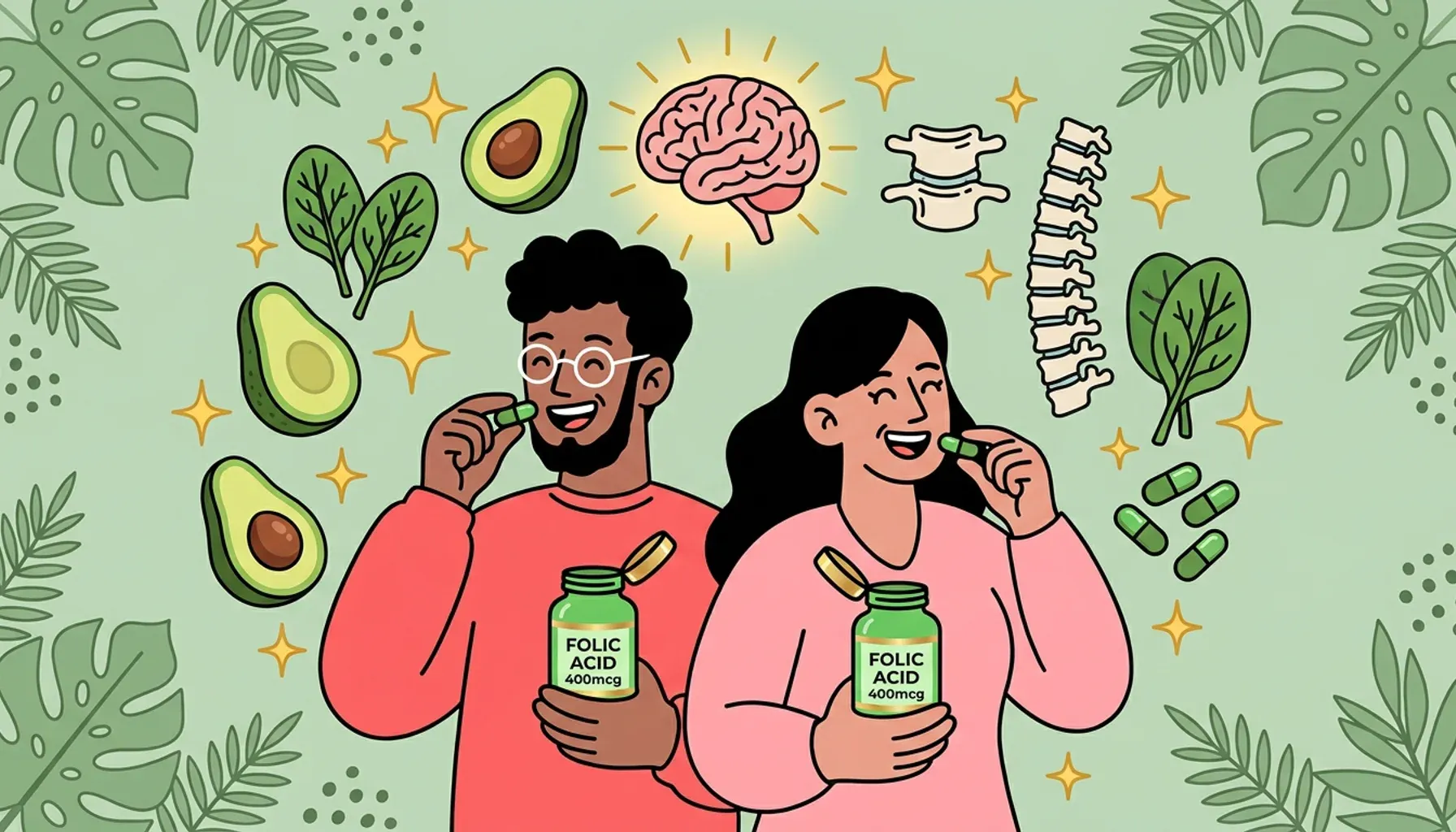
The most important vitamin when planning a pregnancy is folic acid. Also known as folate, it is essential for the normal development of the neural tube, which encloses the baby’s brain and spinal cord during early development stages. Defects in the neural tube lead to serious health problems [2]. The neural tube closes during the fourth week after conception [3], when a woman may not yet know she is pregnant. That is why future moms need to have enough folic acid stored in their system before conceiving.
How much folic acid is required?
The recommended dose is usually 400 mcg daily, beginning at least a month (preferably three) before conception and continuing during the first trimester [1, 4, 5]. Sometimes additional folic acid is needed, but a specific dosage is something you should discuss with your doctor [6].
What other vitamins should I take before conceiving?
Iron is also at the top of the list. It is needed for the normal development of the placenta and embryo and the synthesis of red blood cells (erythrocytes), which carry oxygen. During pregnancy, a woman’s body needs to provide oxygen to both the baby in her womb and herself. The standard dose of iron for expectant mothers is 27 mg per day [1].
Other necessary vitamins and trace elements include:
calcium and vitamin D (to promote strong bones and teeth in the baby);
vitamin A (takes part in the formation of the baby’s sight organs and bones);
choline (plays a role in the development of the baby’s nervous system);
iodine (needed for the baby’s brain and nervous system);
omega-3 fatty acids (for the baby’s brain);
B vitamins (which help form red blood cells and support the baby's nervous system);
vitamin C (activates the mother’s immune system).
Which vitamin supplements should I take when planning a pregnancy?
Regular multivitamins are not ideal, so choose a complex specifically designed for pregnancy, readily available at pharmacies without a prescription. Compositions vary slightly, so consult your doctor before taking them to check if you need an additional vitamin not included in standard prenatal supplements.
Can I get all the vitamins and minerals I need through a healthy diet alone?
Potentially, you could. But very few people stick to a vitamin and mineral-sufficient diet 100% of the time. In addition, many vitamins and minerals are destroyed during the cooking process, so your best bet is to take a prenatal supplement if you are trying to conceive to increase your future baby’s chances of developing healthily.