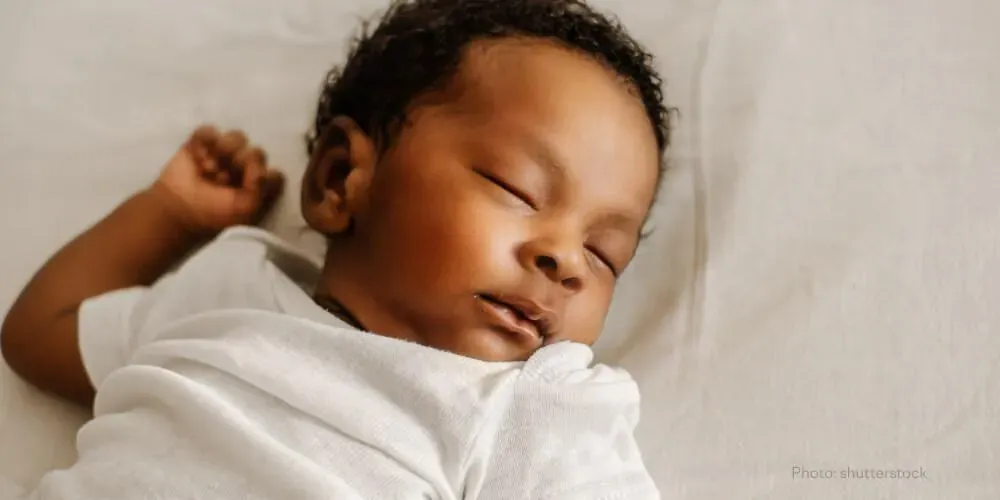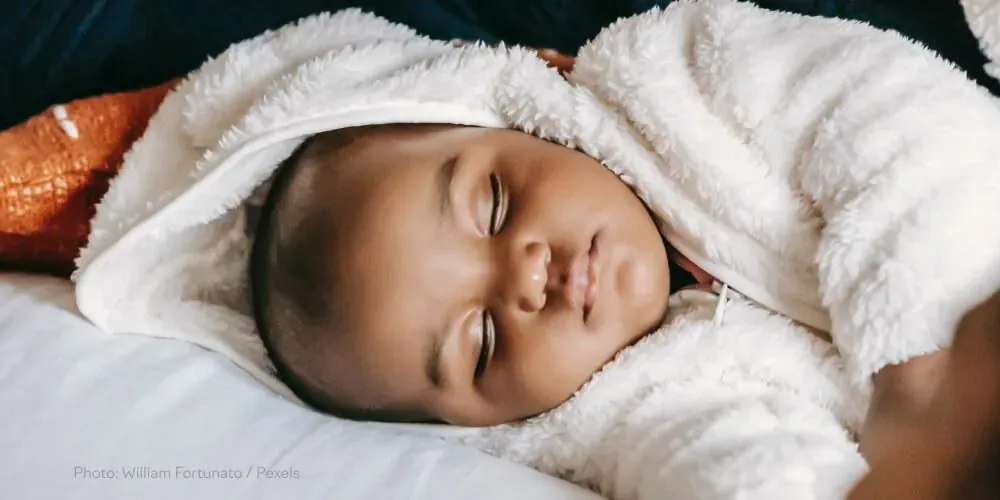

Newborns spend the majority of their time sleeping, and their sleep patterns differ significantly from those of adults.
Why does my baby sleep so much?
When babies emerge from the dark and secluded womb, they are overstimulated. Babies absorb massive amounts of new information with each minute they are awake. During sleep, they can process these new experiences [1].
Infants spend 40% of their sleep time in rapid eye movement (REM) sleep [2]. During this time, the brain is most active in converting impressions into lasting memories. Adults spend only 25% of their sleep in REM, which is when dreams usually occur [3].
If sleep is so important, why does my baby wake up so often?
Adult sleep patterns follow circadian rhythms. This is an internal clock that helps us determine when it is day and night. As a result, we are more active in the morning and sleepier in the evening. However, in infants, this mechanism has not yet developed. They cannot distinguish between day and night. In addition, they have smaller stomachs than adults and must eat every three to four hours [1]. As a result, an infant's sleep is divided into several short periods. This is perfectly normal and healthy.
During their second or third month of life, babies develop the ability to sleep for five to six hours at a time. However, some babies need more time to acquire this skill [4].
How much sleep do babies need?
Approximately 14 to 17 hours [5]. However, these are very rough estimates. Every baby is unique: some need more sleep, while others prefer to stay awake. Individual differences can be very significant [6]. Talk to your pediatrician about your baby's sleep patterns.
Photo: William Fortunato / Pexels