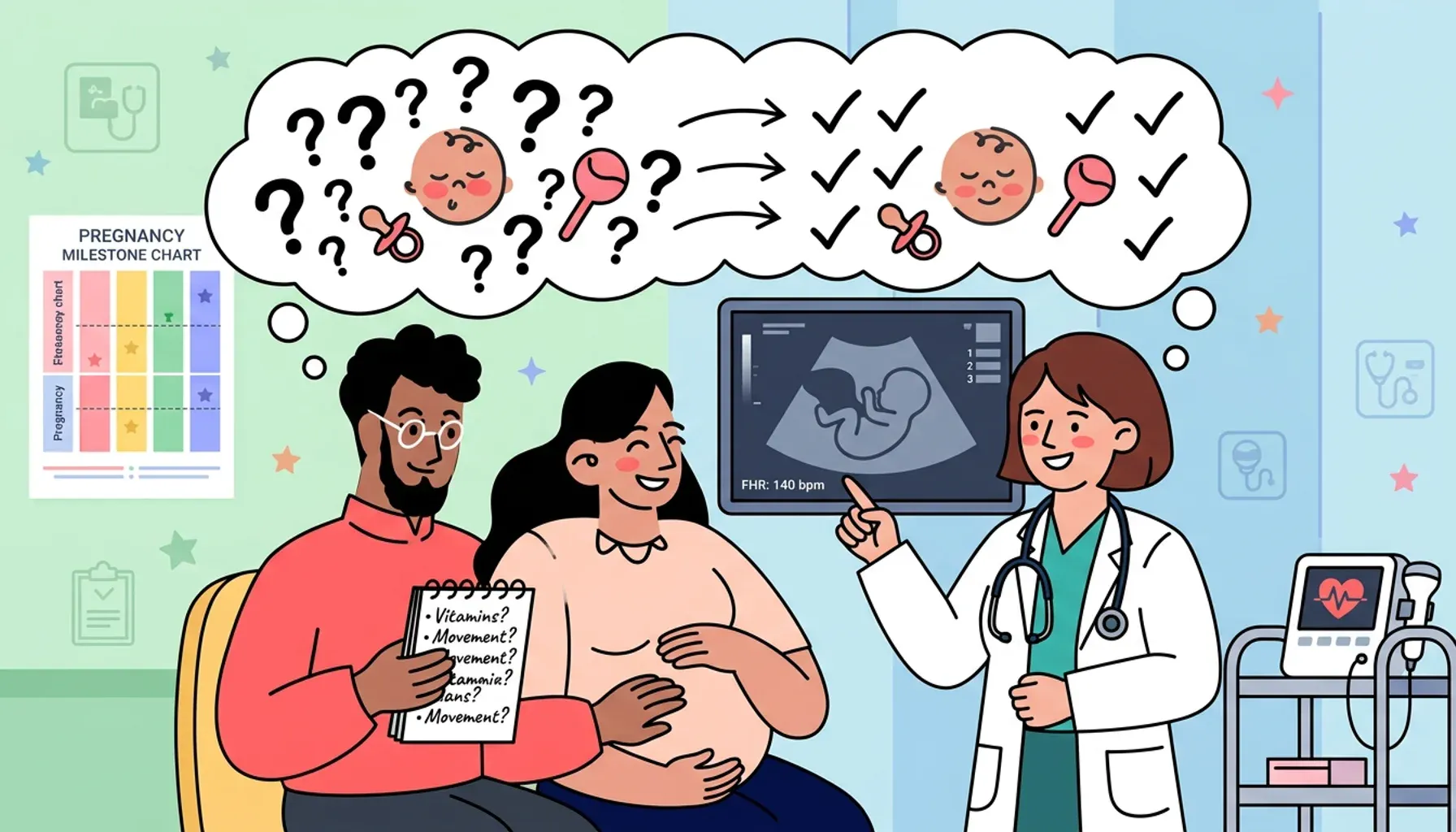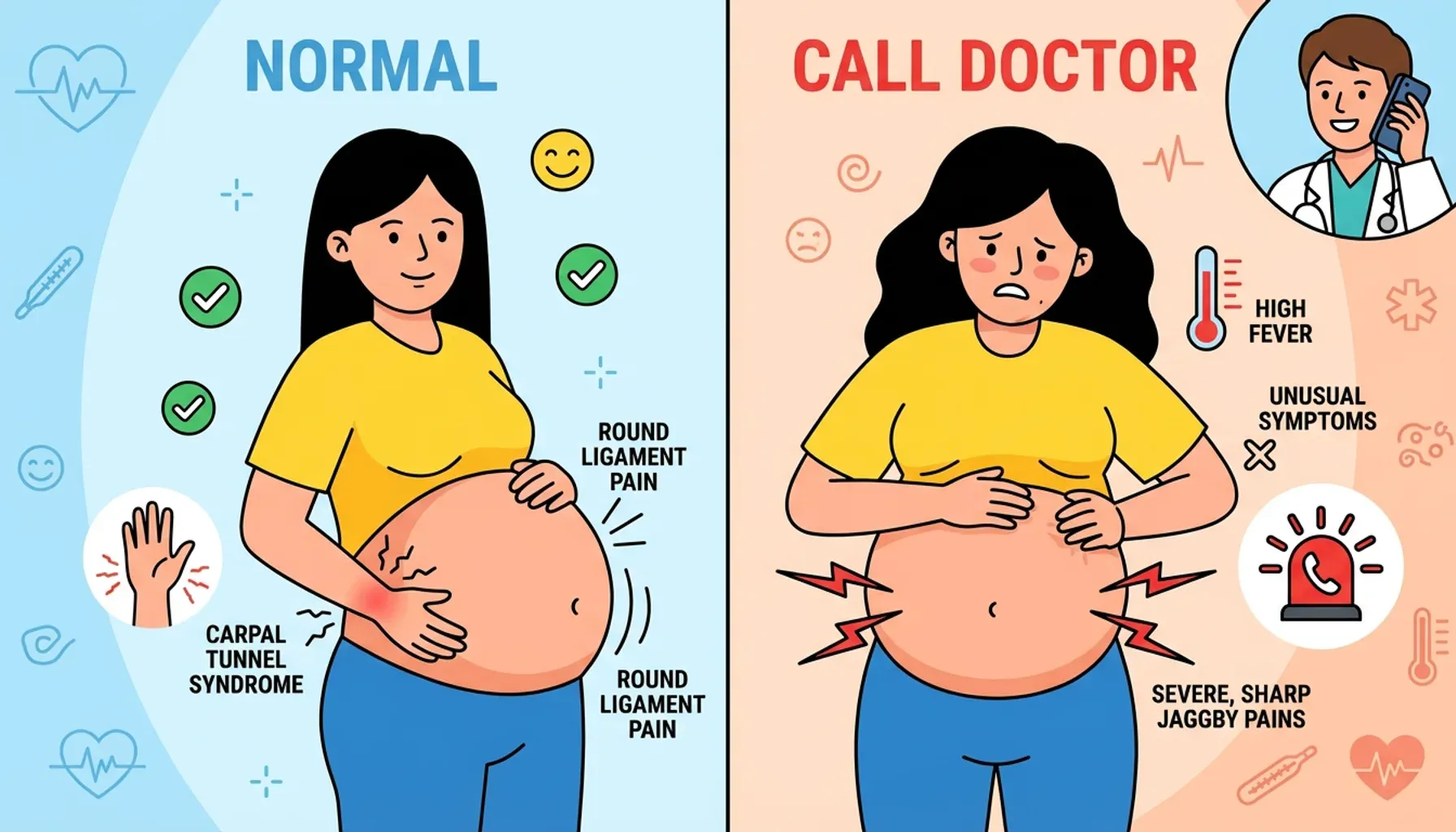

After you are discharged from the hospital, your doctor will likely schedule the first postpartum checkup three weeks after delivery. If you had high blood pressure during pregnancy or other complications, they will probably want to see you sooner. Previously, the first postpartum doctor's appointment was between four to six weeks after childbirth, however, the American College of Obstetricians and Gynecologists now advises women to connect with their OBGYN sooner and to schedule additional visits as needed, until the final checkup is done at 12 weeks postpartum [1].
Scars
If you had a Cesarean section, an episiotomy, or experienced tears during childbirth, your doctor will examine the wound and assess how it is healing. Tell your doctor if you have discomfort, soreness, or numbness in or around your wound.
Menstruation
Women who breastfeed will usually menstruate during the first six months postpartum [2]. If you combine bottle-feeding and breastfeeding, then your period can come sooner and your chances of becoming pregnant increase, so talk about your contraceptive options with your doctor.
Things to discuss with your doctor:
How to distinguish menstruation from the return of lochias? How long does it take for your cycle to become regular again?
Can you use tampons or a menstrual cup?
Which painkillers can nursing mothers take for PMS, painful periods, and menstrual migraines?
Which contraceptives are best during the postpartum period if you are not planning a pregnancy soon?
Sex after childbirth
Feeling anxious about your "first time" after childbirth is completely normal, especially if you had a difficult birth or a Cesarean section. A checkup with your gynecologist will help you know when you are physically ready to engage in intimacy, but this is an issue that also involves your emotions, so it is completely up to you.
Contraception is something to be discussed in detail. Lactation can protect against a new pregnancy only if you are breastfeeding exclusively, on demand, and before the baby is six months old. However, there are no guarantees [2].
Problems with stool and urination
No one likes to talk about postpartum incontinence. Whether you are having trouble holding in urine, gas, or even feces, the subject can be embarrassing for many women and they can feel alone when it comes to the issue. The fact of the matter is that, according to the most recent estimates, up to 25% of women who give birth face incontinence [3]. Make sure to inform your doctor about any type of incontinence you experience. In some cases, strengthening the pelvic floor muscles with Kegel exercises will not be enough and medical care [4] or a consultation with a specialized therapist may be necessary.
Breastfeeding
Cracked nipples, swelling, and pain while nursing are all issues that can be addressed by your gynecologist. You can also reach out to a lactation consultant.
Cervical screening
Current guidelines recommend women have a cervical screening (smear test) every three years, or every five years if combined with HPV testing [5]. If your planned screening was due during the time of your pregnancy (and therefore was not carried out), talk to your doctor about when you should have your next one. It is usually done no earlier than three months after delivery.
This article was created in association with UNFPA, the United Nations sexual and reproductive health agency.