EN
try amma today
Baby starts to cry when you leave. What can you do?
New Parent

Baby starts to cry when you leave. What can you do?

2 min read
Key takeaways
2 min
  • Practice fake separations by leaving your baby in a safe room for 30-60 seconds, then returning with enthusiasm to teach them you always come back.
  • Create a consistent parting ritual like singing a song, hugging, and blowing a kiss to make departures predictable and less stressful.
  • Always say goodbye openly rather than sneaking away, as secret departures increase anxiety and make babies fear unexpected disappearances.
  • Follow through with your routine even when baby cries, as staying longer to soothe actually prolongs the adjustment period.
  • Remember that crying when you leave is normal and healthy - it shows your baby has formed a strong attachment to you.

When babies cry as you leave, practice fake separations for 30-60 seconds, create consistent goodbye rituals, and always announce your departure instead of sneaking away. This normal behavior shows healthy attachment development and will improve with consistent routines.

amma app

Track your pregnancy in the app

Personalized content for your pregnancy week

Download App

Three steps to help your baby cope with the emotions.

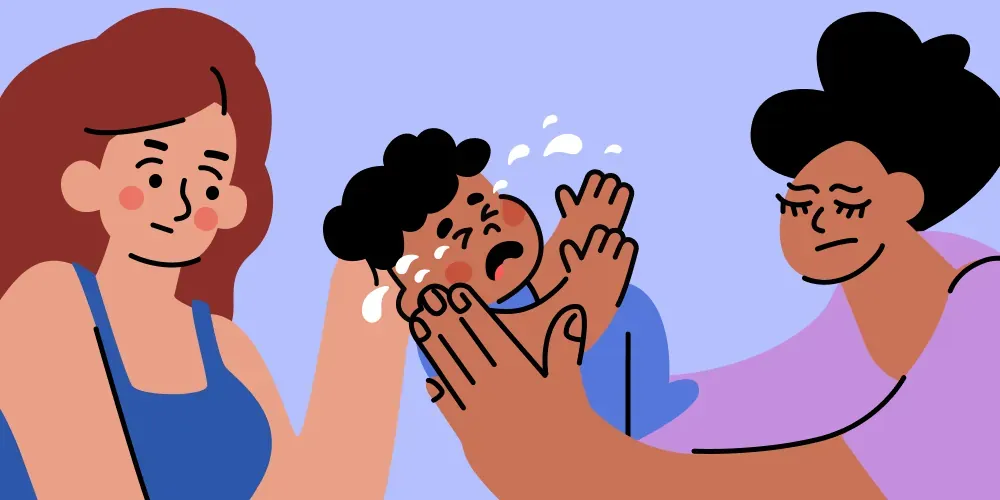
The good news is that it's normal for your baby to cry when you leave. It means they now have a strong attachment to you [1]. It also means that their psyche is developing by age-appropriate norms [2].

That is all fine and good, but it’s not easy to see your baby in despair when you go out. Here are a few things you can try.

Fake a separation

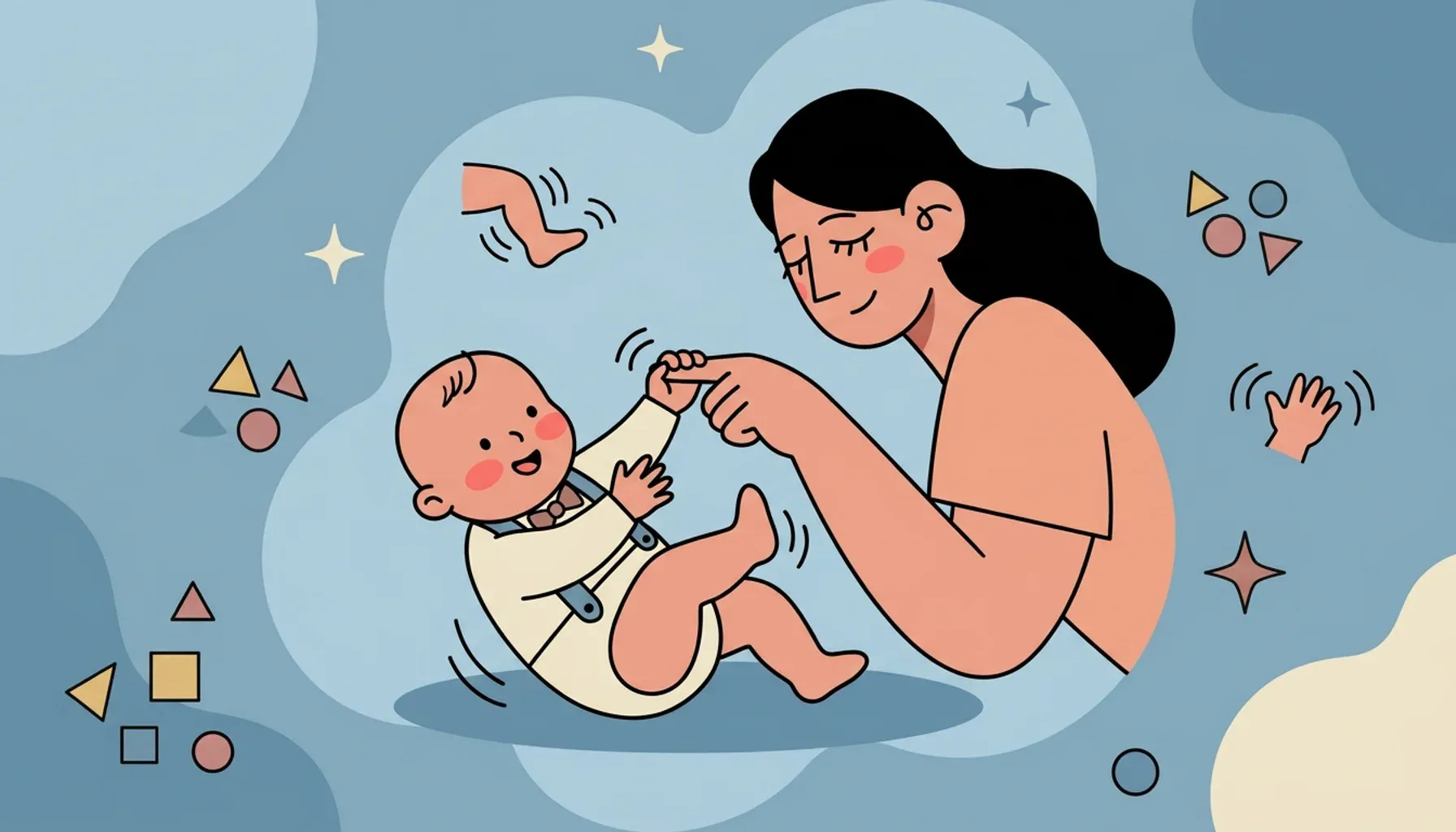
Once in a while, leave your baby alone in a safe place and go to another room. Come back after half a minute to a minute. This way the baby quickly learns that even though mom sometimes is not around, she always comes back. You can turn these training sessions into a game by going to another room, and returning with a joyful "Here I am!". Toddlers usually love this type of game.

Make up a parting ritual

For example, sing the baby a song, hug them, blow a kiss, and always stick to your chosen routine.

Why is it necessary? Children don't like the unexpected. If life is predictable, they tend to be calmer. Always follow your special ritual, even if the baby is crying. There is no need to stay longer and try to soothe them. Carry on with your routine, give the baby to the person taking care of them in your absence, and leave. It can be hard, but there is no reason to feel guilty. The baby will most likely calm down in no time.

Never leave quietly

It may seem easy to sneak out and try to avoid upsetting the baby. But in the long run, these situations can increase a child's anxiety. Look at things through their eyes; if mom can disappear at any moment, you can never relax! It’s better to always say goodbye, even if they throw a tantrum. Be consistent, and everything will gradually get better.


Frequently asked questions

Baby crying when you leave is completely normal and indicates healthy attachment development. It shows your baby recognizes you as their primary caregiver and feels secure with you. This behavior typically emerges as their cognitive abilities develop.

No, never leave quietly or sneak out. This can increase your baby's anxiety because they'll fear you might disappear at any moment. Always say goodbye, even if it triggers tears initially.

Don't extend your departure to soothe a crying baby. Complete your goodbye routine quickly and leave as planned. Prolonging goodbyes actually makes separation anxiety worse and delays adjustment.

Create a consistent parting ritual, practice brief separations at home, and always say goodbye openly. These strategies help babies predict departures and learn that you reliably return.

Separation anxiety typically begins around 6-8 months when babies develop object permanence and stronger attachments. This is a normal developmental milestone that shows healthy emotional growth.

Medical Disclaimer

This article is for informational purposes only and is not a substitute for professional medical advice, diagnosis, or treatment. Always seek the advice of your physician or qualified health provider with any questions you may have regarding a medical condition.

Meet our medical experts

Medically reviewed content

Reviewed by healthcare professionals · Updated September 5, 2024

Track your pregnancy on the go

Rated 4.8417,594 reviews