
Imagine a routine where you’re consumed with pregnancy tests and lying awake all night thinking about that moment that test turns positive. An anticipated joyful occasion can quickly move from excitement to anxiety as those tests, one after another, all turn up negative results.
If this is your situation, please know you’re not alone, and you don’t need to let negative emotions or fears rule your life. Let’s talk about the burnout that can happen when conception takes longer than expected.
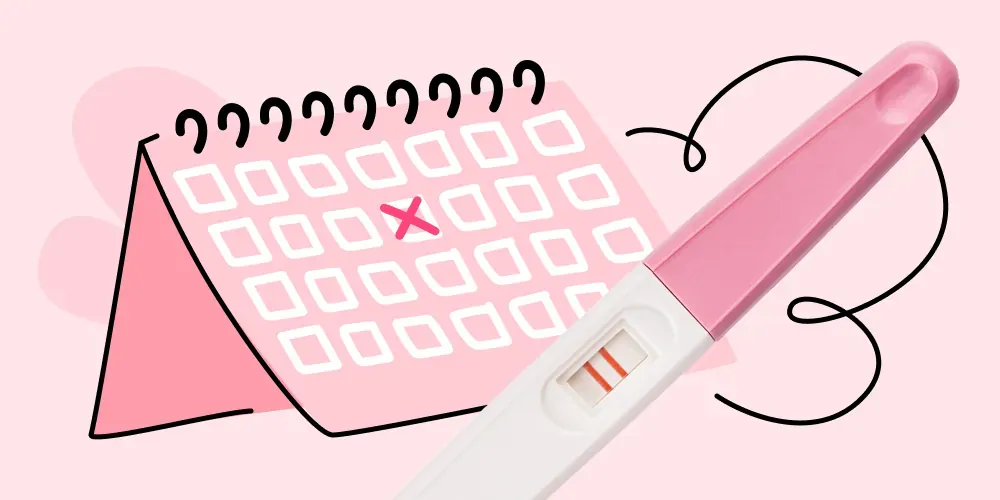
Is it normal to become obsessed with ovulation calendars and pregnancy tests?
Sure it is! You’re trying to conceive, and we tend to take firm control of the elements that we can control. The problem is that those control behaviors can cause you more anxiety.
If your pregnancy tests keep coming up negative, over time, you may start to anticipate that negative result each time you take one. You feel a pit in your stomach, or your skin starts to crawl. It almost becomes a reflex. If this starts to happen to you, consider pausing tests and tracking your ovulation. Have sex purely for pleasure and bonding again. Take a break from the “work” that conception can sometimes become.
How can I stop obsessing?
Psychology Today contributor Alice Boyes, PhD, notes that anxiety is a natural consequence of doing something that’s important to you: trying to conceive. Instead of fighting it, accept that you feel it. Fighting it only magnifies its strength, while acknowledging and feeling it deflates it instead [1].
It’s important to self-regulate as you navigate all the online content about pregnancy. Is it becoming a burden? Is it all you think about? Has it transitioned from being useful to being oppressive? It may be time to take a break.
You should also be aware of symptom spotting. Hypervigilance makes you very aware of any little sign or sensation in your body that makes you feel you are definitely pregnant or definitely not pregnant. Know that your anticipation is causing you to pay attention to tiny bodily cues you would normally not register. Don’t read into these cues; it’ll only put you on an emotional rollercoaster with no real, concrete reason behind it [1].
Lastly, don’t let yourself feel shame. Many women (and men) feel shame when they cannot conceive quickly. The truth is it’s a common experience and does not reflect on your worth or capability [1].
What can I do instead?
One very helpful activity is journaling. Take a quiet, focused moment to write about how you feel. Describe your emotions in detail; are you frustrated, disappointed, heartbroken, afraid? Name those feelings and consider how natural it is that they are emerging. If you have any fears such as “I’m afraid it’ll never happen,” challenge them on paper by recognizing you have no real reason to believe or accept them.
Speaking to your partner about where you are emotionally can be beneficial for you individually and for your relationship. Talk about your frustrations with trying to conceive. And lean on close friends or family members you can speak with openly. Use your support system, whoever they are.
How do I live day to day?
Spend more time with yourself doing things you love. Take a bath, work out, dance, or go to your favorite restaurant. Mindfulness and meditation or even art therapy classes can help you break out of anxious thoughts [2].
It’s also a great idea to have at least one project going on that has nothing to do with getting pregnant. Don’t let conceiving be the only exciting thing in your life [1].