
EN
try amma today
Ready, Set, Get Pregnant!
Getting Pregnant

Ready, Set, Get Pregnant!

1 min readWeek 2
Key takeaways
1 min
  • Track ovulation between days 11-21 of your menstrual cycle to optimize conception timing for a healthy pregnancy.
  • Monitor your endometrium thickening (7-10mm) and corpus luteum development as key fertility indicators.
  • Use fertility awareness-based methods to identify ovulation signs like cervical mucus changes and basal body temperature shifts.
  • Understand ultrasound markers including endometrial thickness and ovarian changes to better time conception attempts.
  • Consult healthcare providers to develop personalized fertility tracking strategies for your healthy pregnancy journey.

To achieve a healthy pregnancy, focus on timing conception during ovulation, which occurs between days 11-21 of a typical 28-day cycle. Track fertility signs like cervical mucus changes and monitor endometrial thickening for optimal conception timing.

amma app

Track your pregnancy in the app

Personalized content for your pregnancy week

Download App

Ready, Set, Get Pregnant!

Ovulation, the time when you are likely to conceive, occurs between days 11 and 21 of a typical 28-day cycle [1, 2].

What we can see on an ultrasound

Inside the uterus, the mucosa thickens, increasing the blood supply and preparing for the possible implantation of a fertilized egg. In the first picture, the pear-shaped outline of the uterus is visible against the background of a large dark shadow, the bladder.

Inside the uterus, the bright area is the endometrium, which lines the uterus walls. During this time, it will thicken by another 7-10 mm.

Below the uterus, a walnut-shaped ovary can be seen. Judging by its shape and size, ovulation and maturation of the corpus luteum will occur in the other ovary.
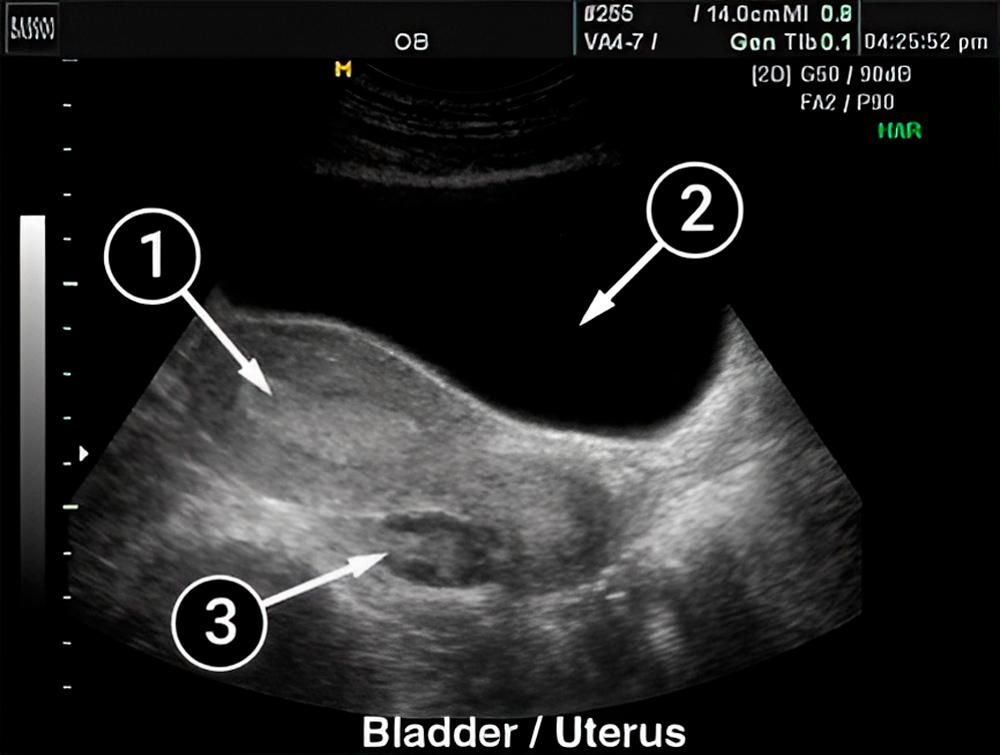

Ready, Set, Get Pregnant! - Ready, Set, Get Pregnant!
Frequently asked questions

The optimal time to conceive is during ovulation, which typically occurs between days 11-21 of a 28-day menstrual cycle. This window varies for each woman, so tracking your individual cycle is essential for healthy pregnancy planning.

Key ovulation signs include changes in cervical mucus (becoming clear and stretchy), slight increases in basal body temperature, and mild pelvic pain. These indicators help identify your fertile window for conception.

The endometrium thickens by 7-10mm during your cycle, increasing blood supply to prepare for embryo implantation. This thickening process is crucial for supporting early pregnancy development.

The corpus luteum forms after ovulation and produces progesterone to support early pregnancy. Its abundant blood supply and proper development are essential for maintaining a healthy pregnancy in the first trimester.

Yes, ultrasounds can show endometrial thickness, ovarian activity, and corpus luteum development. These markers help healthcare providers assess fertility timing and reproductive health for optimal pregnancy planning.

Medical Disclaimer

This article is for informational purposes only and is not a substitute for professional medical advice, diagnosis, or treatment. Always seek the advice of your physician or qualified health provider with any questions you may have regarding a medical condition.

Meet our medical experts

Medically reviewed content

Reviewed by healthcare professionals · Updated August 15, 2025

Track your pregnancy on the go

Rated 4.8417,594 reviews