EN
try amma today
3 worries that come up when planning a second child
Getting Pregnant

3 worries that come up when planning a second child

2 min read
Key takeaways
2 min
  • Focus on controllable factors like budgeting expenses, arranging help from family and friends, and preparing your home for the new baby's arrival.
  • Build emotional connection during pregnancy by talking to your baby, stroking your belly, and considering meaningful baby names that reflect your growing family.
  • Address sibling jealousy by involving your older child in pregnancy discussions, showing ultrasound pictures, and dedicating 5-10 minutes daily for one-on-one time.
  • Accept that loving your second child may feel different initially due to time constraints and fatigue, but this bond will develop naturally over time.
  • Prepare your older child by discussing baby names together, explaining family dynamics, and giving them a doll to practice caregiving alongside you.

The three main worries when planning a second child are: having enough time, energy, and money; loving the new baby as much as the first; and whether the older child will accept the baby. Focus on controllable factors like budgeting and arranging help.

amma app

Track your pregnancy in the app

Personalized content for your pregnancy week

Download App

Many parents find themselves searching for answers to the following questions. Look no further for the answers!

Will there be enough time, energy, and money!

Many of us want to know exactly what lies ahead and prepare for any and all eventualities. But the truth is that many details only become clear during the process. 

Your usual routine will likely be altered, so give yourself time to adapt to your new reality and tune in to the fact that you will have to address problems as they come along. 

When planning a pregnancy, it’s better to focus on the things you can control:

  • Make a list of current and upcoming expenses, and optimize spending.

  • Arrange with relatives, friends, or acquaintances for help during pregnancy, childbirth, and the first weeks after. 

  • Prepare the house for the arrival of the second child, and buy the necessary things. Check which of your older child’s things you can reuse. 

I'm afraid I won't be able to love the baby as much as I love my older one

Research does show that, on average, moms talk a bit less to their youngest child than they did to their eldest when they were infants. The same applies to physical contact and games [1]. 

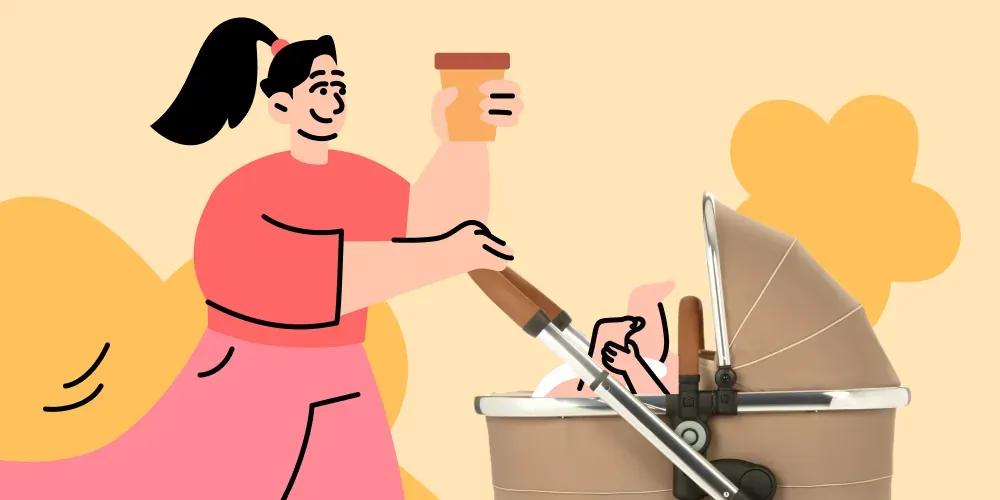
It may sound a little cold, but the truth is that mom simply has less time for the new baby. Fatigue and stress may interfere with establishing an immediate emotional connection with the second child. But that is completely normal! Start working on your relationship during pregnancy by stroking your stomach more often, singing to your baby, and talking to them. 

What if my older child doesn’t accept the baby?

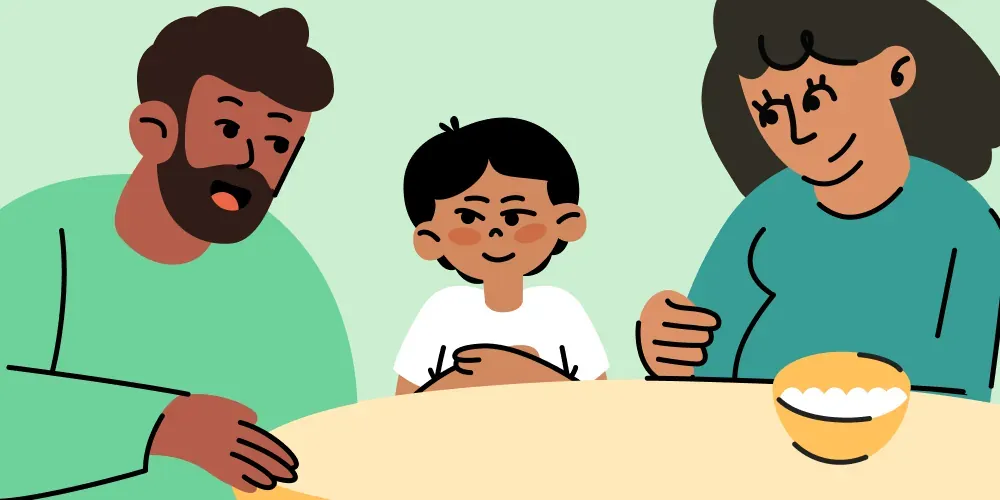
Your firstborn may feel a little jealous, but that is to be expected. Make sure to tell them about their sibling during the pregnancy, show them pictures, talk to them about how families with two or more children, and point out siblings that are having fun together at the park or a gathering.

When the baby is born, take at least 5 to 10 minutes a day for some one-on-one time with the older sibling. You can give them a doll to play with and take care of the way you do with the baby. It makes for some wonderful quality time that will bring you closer together.

Frequently asked questions

Yes, though the connection may develop differently due to time constraints and fatigue. Research shows mothers may have less one-on-one time with second children, but the love bond forms naturally over time.

Involve them in pregnancy discussions, show ultrasound pictures, and let them help choose baby names. Dedicate 5-10 minutes daily for one-on-one time and give them a doll to practice caregiving.

Focus on controllable factors like budgeting expenses, arranging help from family and friends, and preparing your home. Consider practical matters like reusing items and choosing baby names early.

Talk to your baby regularly, stroke your belly, sing songs, and discuss potential baby names with your partner and older child. These activities help establish an early emotional connection.

Medical Disclaimer

This article is for informational purposes only and is not a substitute for professional medical advice, diagnosis, or treatment. Always seek the advice of your physician or qualified health provider with any questions you may have regarding a medical condition.

Meet our medical experts

Medically reviewed content

Reviewed by healthcare professionals · Updated September 8, 2024

This article is based on peer-reviewed research and trusted medical sources.

  1. Bornstein M. H., et al. Mother-Infant Interactions with Firstborns and Secondborns: A Within-Family

Track your pregnancy on the go

Rated 4.8417,594 reviews