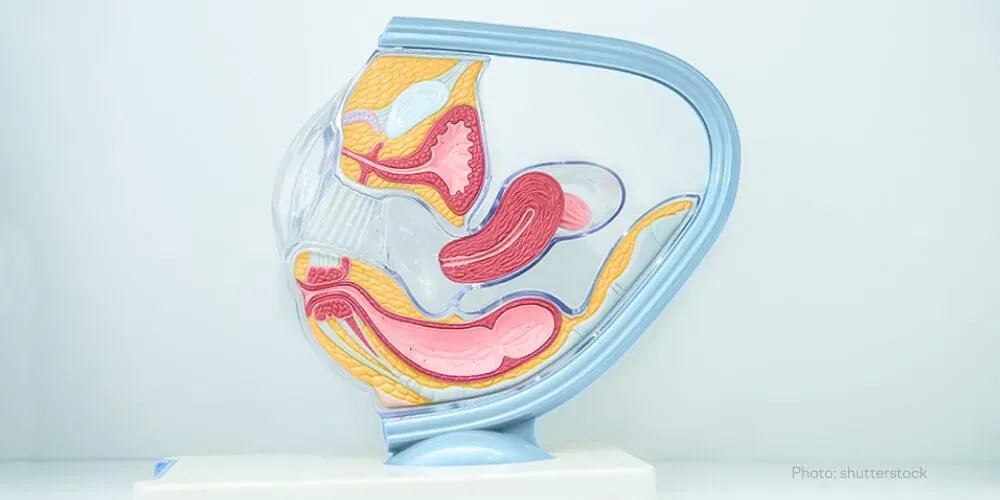

Pelvic floor issues are insidious because we don’t always realize something is wrong with those muscles until the day comes when we sneeze and realize we leaked urine. Many women are embarrassed to bring the subject up with their doctor, but you shouldn’t be!
What are some signs of pelvic floor dysfunction?
Leaking urine when coughing or sneezing (even a few drops)
Lack of control when trying to stop urinating
Pain or squelching sounds during sexual intercourse
Airflow into the vagina in certain positions
Reduced sexual sensitivity and difficulty achieving orgasm [1]
Unfortunately, these symptoms only worsen over time. Lack of timely treatment can lead to reduced quality of life or the need for surgical intervention.
Why do these muscles weaken?
One common cause behind a weak pelvic floor is pregnancy and childbirth. The weight of the growing baby and the strain of delivery can stretch and weaken the area. Obesity and certain types of surgery can also lead to dysfunction of the pelvic floor muscles, which also weaken with age [2].
What can I do for my pelvic floor health?
The best treatment is prevention! Performing certain exercises during pregnancy can prevent damage and quickly restore your perineal muscles after childbirth. Kegel exercises are helpful [3], as are breathing exercises. Practicing moves to strengthen your chest and spine can also help distribute pressure so that there is less strain on your pelvis.