
Although there is some evidence that provides information on how pregnant women have been navigating the Coronavirus (COVID-19), much still remains to be understood. Nevertheless here is what we know so far and are able to share.
Is COVID-19 more dangerous for pregnant women?
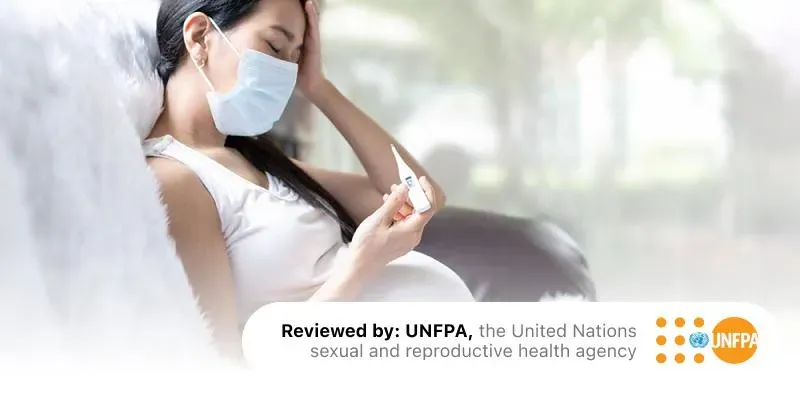
Data suggests that pregnant women may be more impacted by coronavirus should they be exposed to the infection [1]. Therefore taking appropriate measures to avoid contracting the infection is a top priority. As a result, health practitioners have encouraged pregnant women to take appropriate measures to minimize their exposure to the virus, some of which include [2]:
reducing and limiting face to face hospital and doctors appointments;
providing virtual consultations via telephone or online platforms;
in addition to wearing masks in crowded spaces and ideally avoiding large gatherings altogether.
Pregnant women have also been encouraged to accept vaccinations against influenza (the flu) and COVID-19 to prevent any potential negative impact on both mother and baby. There is a growing body of evidence that suggests COVID-19 during pregnancy is dangerous, however, little is known about the impact of new variants of the virus [3].
How does the COVID-19 vaccine impact pregnancy?
Having COVID-19 during pregnancy carries a far greater risk than having the COVID-19 vaccine, particularly during the later stages of pregnancy where having COVID-19 can have serious consequences for both mother and baby.
68% of the world population has received at least one dose of a COVID-19 vaccine [4].
The vaccines have shown to be effective in reducing the severity of COVID-19 should someone be at risk.
The COVID-19 vaccination, specifically Pfizer and Moderna vaccines have been recommended for all people 6 months and older [5]. Across the world each country will have specific guidelines on which vaccinations are approved for infants, please check with a health professional to be sure what is recommended and safe. Please, consult with your doctor about the vaccines available and used in your country for women who are pregnant, breastfeeding, trying to get pregnant now, or might become pregnant in the future.
Is it safe to take the COVID-19 vaccine during breastfeeding?
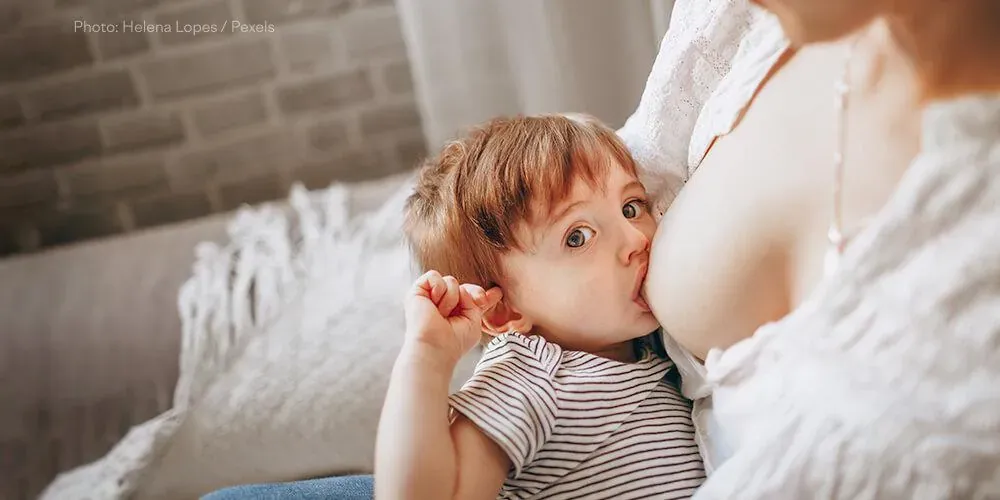
The WHO approves that taking that COVID-19 vaccine whilst breastfeeding is safe [6]. So if you're breastfeeding, or planning to breastfeed, taking the coronavirus vaccine is safe for you and your baby. The vaccine offered to you will be clinically appropriate and follow the medical recommendations and guidelines. The antibodies made following vaccination can pass into your breastmilk. These may give the baby some protection against coronavirus. You do not need to stop breastfeeding to be vaccinated against coronavirus. You can continue breastfeeding as normal after vaccination.
Are pregnant women with COVID-19 admitted to hospital?
Only those moderate to severe cases of the disease. Those with a mild case of COVID should stay at home, but they’ll need to monitor their condition and the child's heart rate. If this is the case more information can be provided by the doctor on how to do this. They will also want to check the mothers blood clotting indicators as it is important to prevent oxygen starvation in the baby.
How is coronavirus dangerous for a child?
Moderate or severe cases of mom's infection can be dangerous for mother and baby and could lead to a preterm birth. If this occurs, the baby’s lungs may not fully develop. This often happens in premature babies, so it can still be difficult to draw conclusions as to what the cause is, for example is the distress syndrome in this case associated with COVID-19 itself or with preterm birth [4].
Is the virus transmitted in utero from mother to child?
Judging by the data available today, no. Cases of neonatal disease were most likely associated with mother-child contact after birth [4].
Is there a chance my baby will be separated from me after birth?
Even in the absence of symptoms of the disease, all patients that check into hospitals or birthing centers are usually screened for COVID-19. If the mother has a positive result, and the baby has a negative result, then it may be best for the baby to room separately from the mother. However, breastfeeding and skin-to-skin contact is still recommended, with good respiratory hygiene — that is, you should wear a cloth mask when you are nursing. Talk to your doctor about how your hospital is handling COVID-19 testing in pregnant women so you can make an informed decision together.
Will I be allowed to immediately start breastfeeding?
Even if you have tested positive for COVID-19, you still have the right to start skin-to-skin and breastfeeding immediately. You will need to practice good respiratory hygiene in order to protect your baby. This includes, wearing a mask covering mouth and nose, washing hands with soap and water for 20 seconds before and after touching the baby and routinely cleaning and disinfecting surfaces that have been touched [6].
Can women with COVID-19 breastfeed?
Yes, and if they wish to do so. They should:
wash hands frequently with soap and use alcohol-based hand rub before touching the baby;
wear a medical mask; replace masks as soon as they become damp and dispose of them immediately. Masks should not be reused or touched in the front;
sneeze or cough into a tissue and dispose it immediately and wash hands;
routinely clean and disinfect surfaces that mothers have touched.
Close contact with the mother and early, exclusive breastfeeding are both things that help babies thrive. So even if a mother has COVID-19, she is encouraged to touch and hold her baby, breastfeed safely with good respiratory hygiene, hold the baby skin-to-skin, and share a room with the child.
This article was created in association with UNFPA, the United Nations sexual and reproductive health agency.