EN
try amma today
Let’s talk about calcium and vitamin D
Article

Let’s talk about calcium and vitamin D

2 min readWeek 24
Key takeaways
2 min
  • Consume 2-3 cups of milk daily to meet calcium needs during pregnancy, or get calcium from fish, tofu, broccoli, and chia seeds if avoiding dairy.
  • Take vitamin D supplements during pregnancy, especially in fall/winter, since sunlight exposure is the primary source and pregnancy-safe fish options are limited.
  • Reduce salt and caffeine intake in the second half of pregnancy to prevent calcium loss from your body.
  • Ensure adequate calcium and vitamin D intake to reduce risk of preeclampsia, a serious pregnancy complication.
  • Add milk to coffee or tea to compensate for calcium loss caused by caffeine consumption.

For a healthy pregnancy, consume 2-3 cups of milk daily for calcium and take vitamin D supplements. Both nutrients work together to support baby's bone development and may help prevent preeclampsia complications during pregnancy.

amma app

Track your pregnancy in the app

Personalized content for your pregnancy week

Download App

Let’s talk about calcium and vitamin D

Calcium is the main mineral of bones and teeth. Therefore, the task of the mother is to provide the child with building material. But in the absence of vitamin D, calcium is poorly absorbed, so you need them both [1].

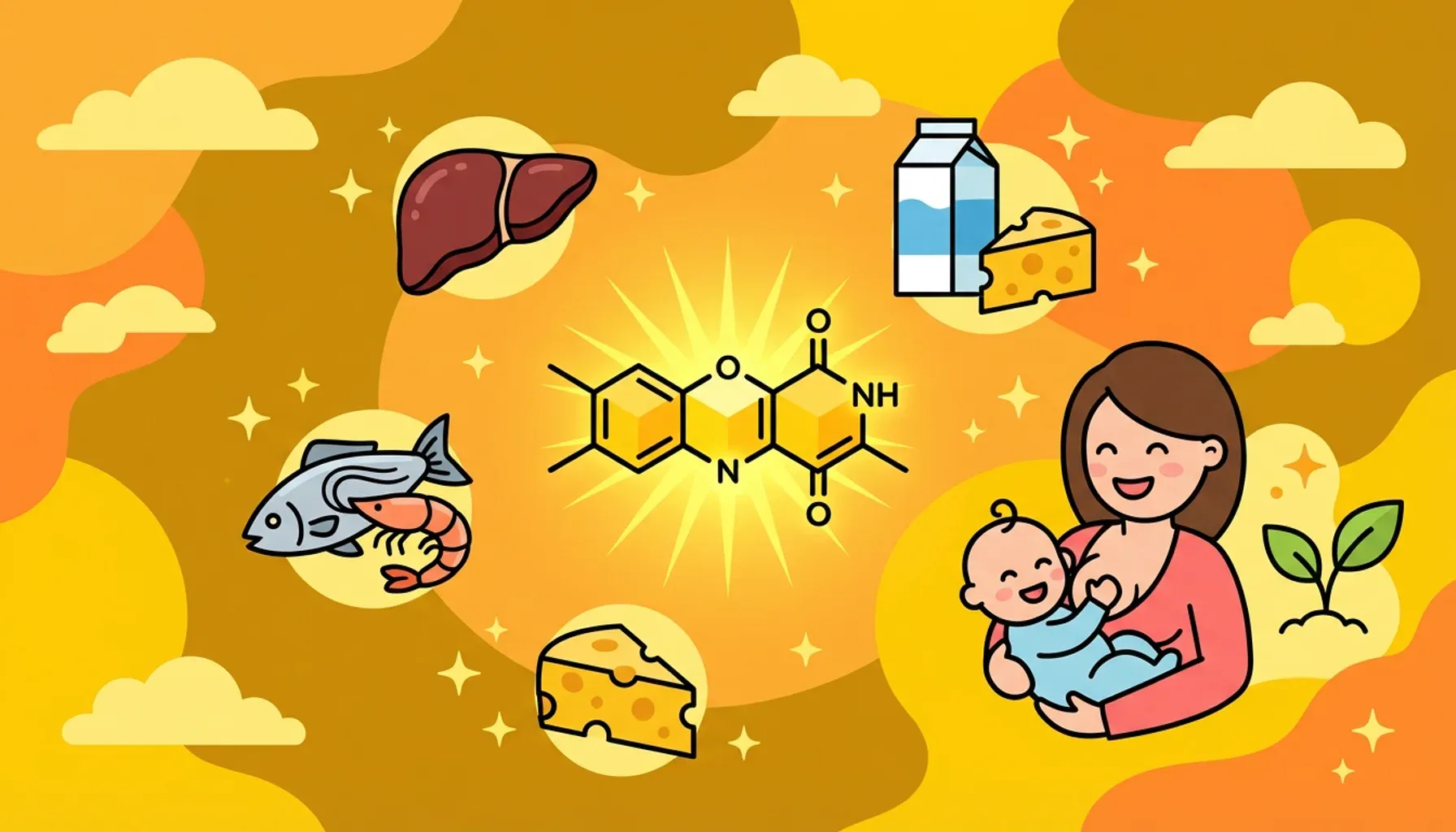
Vitamin D is produced in the skin by exposure to sunlight — very little comes from food. The main food sources are fatty fish like salmon, mackerel, and flounder. Unfortunately, these fish should be avoided during pregnancy due to the mercury content, which is dangerous for baby [1]. So to up your vitamin D intake you will most likely have to take supplements [2], especially if the second half of your pregnancy occurs in the autumn-winter season. Indeed, a deficiency of vitamin D and calcium, as shown by some studies [2, 3], is one of the significant factors in the development of preeclampsia (a serious complication of pregnancy).

Calcium is available to most of us without much change in diet. Two to three cups of milk per day fully satisfy you and your baby’s calcium needs [4].

If you do not regularly eat dairy, you can also get calcium from the following foods [1, 4]:

  • fish, especially salmon, sardines or anchovies;

  • tofu;

  • white cabbage;

  • broccoli;

  • turnip;

  • chia seeds.

Salt and caffeine can enhance the excretion of calcium from the body [4]. Therefore, in the second half of pregnancy, when the circulatory system is formed, and the strengthening of the bones is in full swing, it is desirable to reduce the use of salt and increase milk. To compensate for the loss of calcium due to caffeine, just add milk to your tea or coffee [4].

Frequently asked questions

Pregnant women need about 1,000mg of calcium daily. This can be met by consuming 2-3 cups of milk per day, along with other calcium-rich foods like leafy greens and fish.

Yes, most pregnant women should take vitamin D supplements since sunlight exposure is limited and pregnancy-safe food sources are scarce. Consult your healthcare provider for proper dosage.

Dairy products, canned fish with bones like sardines, tofu, broccoli, white cabbage, turnip greens, and chia seeds are excellent calcium sources. Aim for variety to meet daily needs.

Yes, deficiency in calcium and vitamin D may increase the risk of preeclampsia, a serious pregnancy complication. Adequate intake supports both maternal and fetal bone development.

Limit salt and caffeine intake as they can increase calcium excretion from your body. If you consume caffeine, add milk to help compensate for potential calcium loss.

Medical Disclaimer

This article is for informational purposes only and is not a substitute for professional medical advice, diagnosis, or treatment. Always seek the advice of your physician or qualified health provider with any questions you may have regarding a medical condition.

Meet our medical experts

Medically reviewed content

Reviewed by healthcare professionals · Updated March 25, 2025

Track your pregnancy on the go

Rated 4.8417,594 reviews