EN
try amma today
What to eat to avoid depression
Pregnancy

What to eat to avoid depression

2 min readWeek 4
Key takeaways
2 min
  • Follow a Mediterranean diet during pregnancy to reduce postpartum depression risk by nearly 50% compared to a Western diet.
  • Include olive oil (40g+ daily), fatty fish, dairy products, nuts, and legumes in your healthy pregnancy meal plan.
  • Avoid animal fats and trans fats, which appear to be the greatest risk factors for postpartum depression.
  • Focus on omega-3 rich foods like fish oil and seafood to protect against depression during and after pregnancy.
  • Prioritize breastfeeding on demand, as nursing is a powerful factor in preventing postpartum depression.

To prevent postpartum depression through diet, follow a Mediterranean eating pattern with olive oil, fatty fish, nuts, legumes, and dairy products. This healthy pregnancy diet reduces depression risk by 50% compared to Western diets high in processed foods and animal fats.

amma app

Track your pregnancy in the app

Personalized content for your pregnancy week

Download App

What to eat to avoid depression

Postpartum depression is a multifactorial disease and it’s difficult to know what role nutrition plays in it. With long-term research continuing in different countries, here’s what we know so far.

Fatty foods appear to be the greatest risk factor. We are, of course, talking about animal fat and trans fats. Conversely, olive oil and fish oil protect against depression [1, 2].

What mom needs

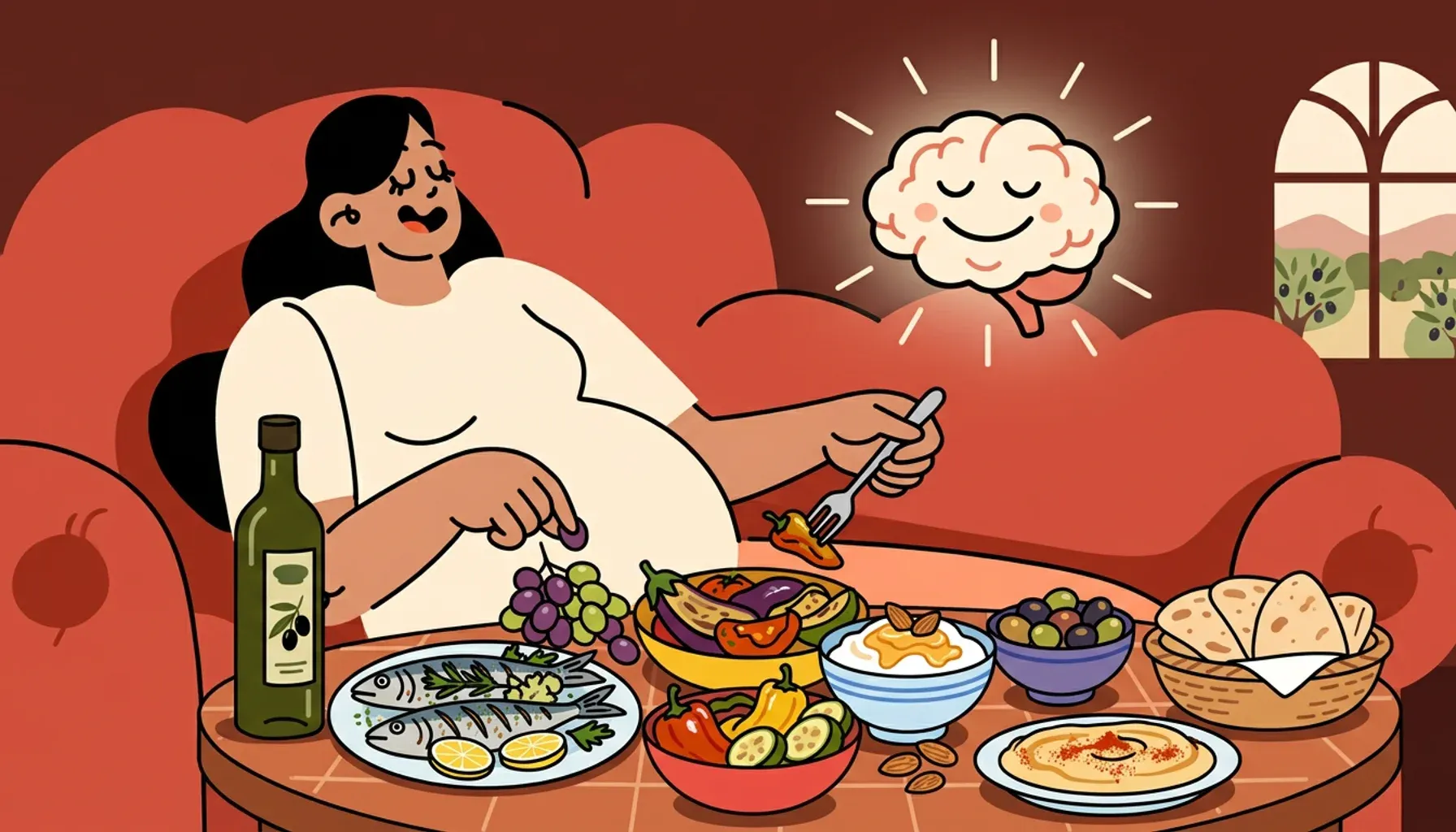
A Mediterranean diet (fruits, vegetables, nuts, legumes, dairy products, fish, olive oil) reduces the likelihood of postpartum depression by almost 50% compared to a Western diet (meat, potatoes, sugar and sweets, cereals, non-vegetable fats, salty snacks, eggs) [2].

The most useful products for mom [2, 3]:

  • olive oil (more than 40 g per day);
  • dairy
  • fish
  • seafood and seaweed

What baby needs

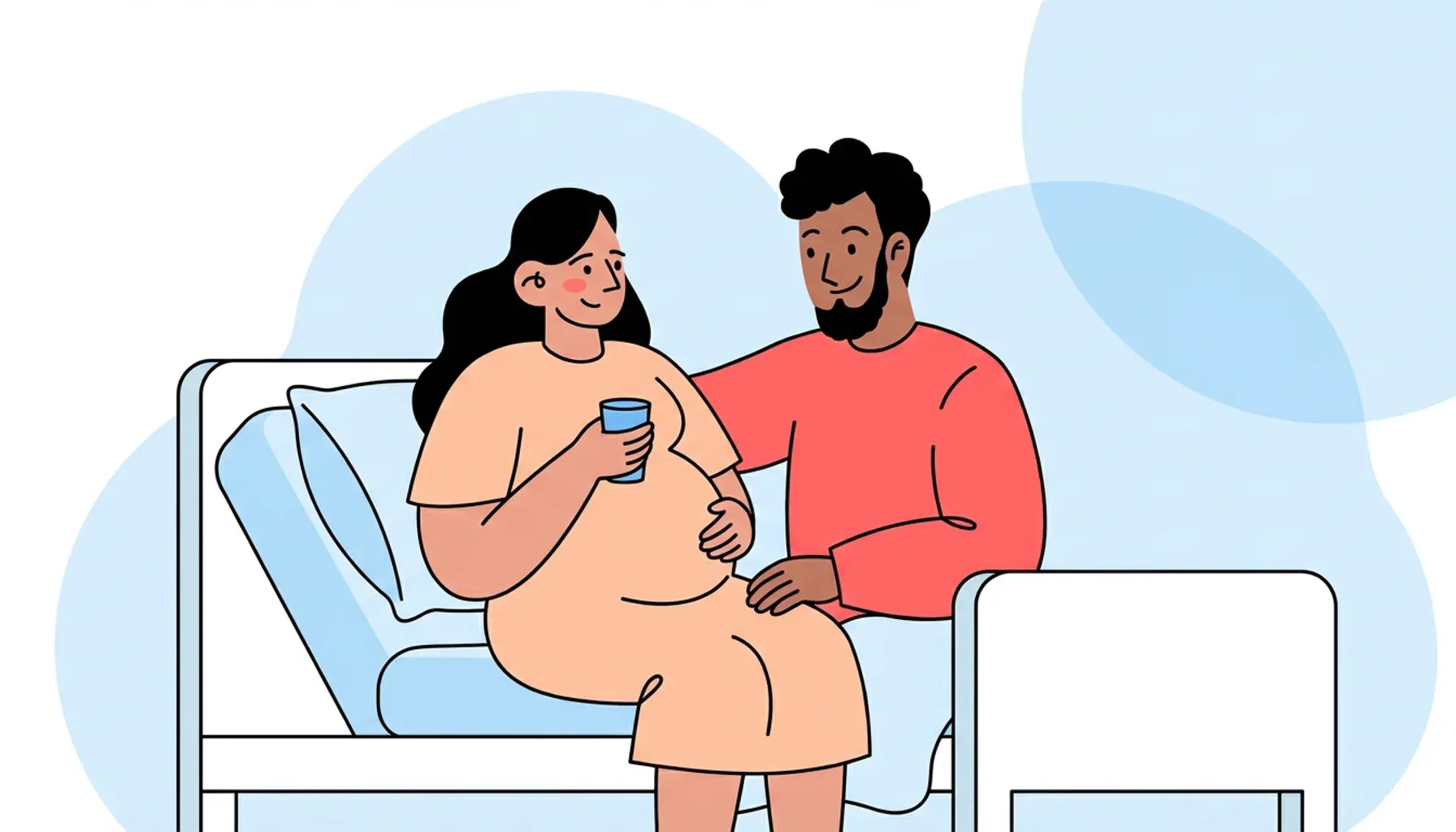
Baby needs a healthy and calm mother and milk on demand. Nursing has also been shown to be a powerful factor in the prevention of postpartum depression [4].



  1. Prepregnancy Healthy Dietary Pattern Is Inversely Associated with Depressive Symptoms among Pregnant Brazilian Women. Ana Amélia Freitas Vilela, Dayana Rodrigues Farias, et al. The Journal of Nutrition, Volume 144, Issue 10, October 2014. P. 1612–1618.

  2. Dietary patterns during pregnancy and the risk of postpartum depression: the mother — child ‘Rhea’ cohort in Crete, Greece. Leda Chatzi, Vasiliki Melaki, et al. Public Health Nutr, Sept 2011.

  3. The role of diet and nutritional supplementation in perinatal depression: a systematic review. Thalia M. Sparling, Nicholas Henschke, et al. Matern & Child Nutrition, Feb 2016.

  4. Postpartum depression risk factors: A narrative review. M. Ghaedrahmati, A. Kazemi, et al. Journal of Education and Health Promotion, 2017.

Frequently asked questions

Focus on Mediterranean diet foods including olive oil, fatty fish, nuts, legumes, dairy products, and plenty of fruits and vegetables. These foods have been shown to reduce postpartum depression risk by almost 50%.

Animal fats and trans fats are the greatest risk factors for postpartum depression. Limit processed meats, fried foods, sugary snacks, and foods high in saturated fats.

Research shows that consuming more than 40 grams of olive oil per day provides the most protection against postpartum depression. This equals about 3 tablespoons daily.

While postpartum depression is multifactorial, studies show that following a Mediterranean diet pattern during pregnancy can reduce the risk by nearly 50% compared to a typical Western diet.

Breastfeeding on demand is a powerful protective factor against postpartum depression. The act of nursing helps regulate hormones and provides emotional benefits for new mothers.

Medical Disclaimer

This article is for informational purposes only and is not a substitute for professional medical advice, diagnosis, or treatment. Always seek the advice of your physician or qualified health provider with any questions you may have regarding a medical condition.

Meet our medical experts

Medically reviewed content

Reviewed by healthcare professionals · Updated September 4, 2024

Track your pregnancy on the go

Rated 4.8417,594 reviews