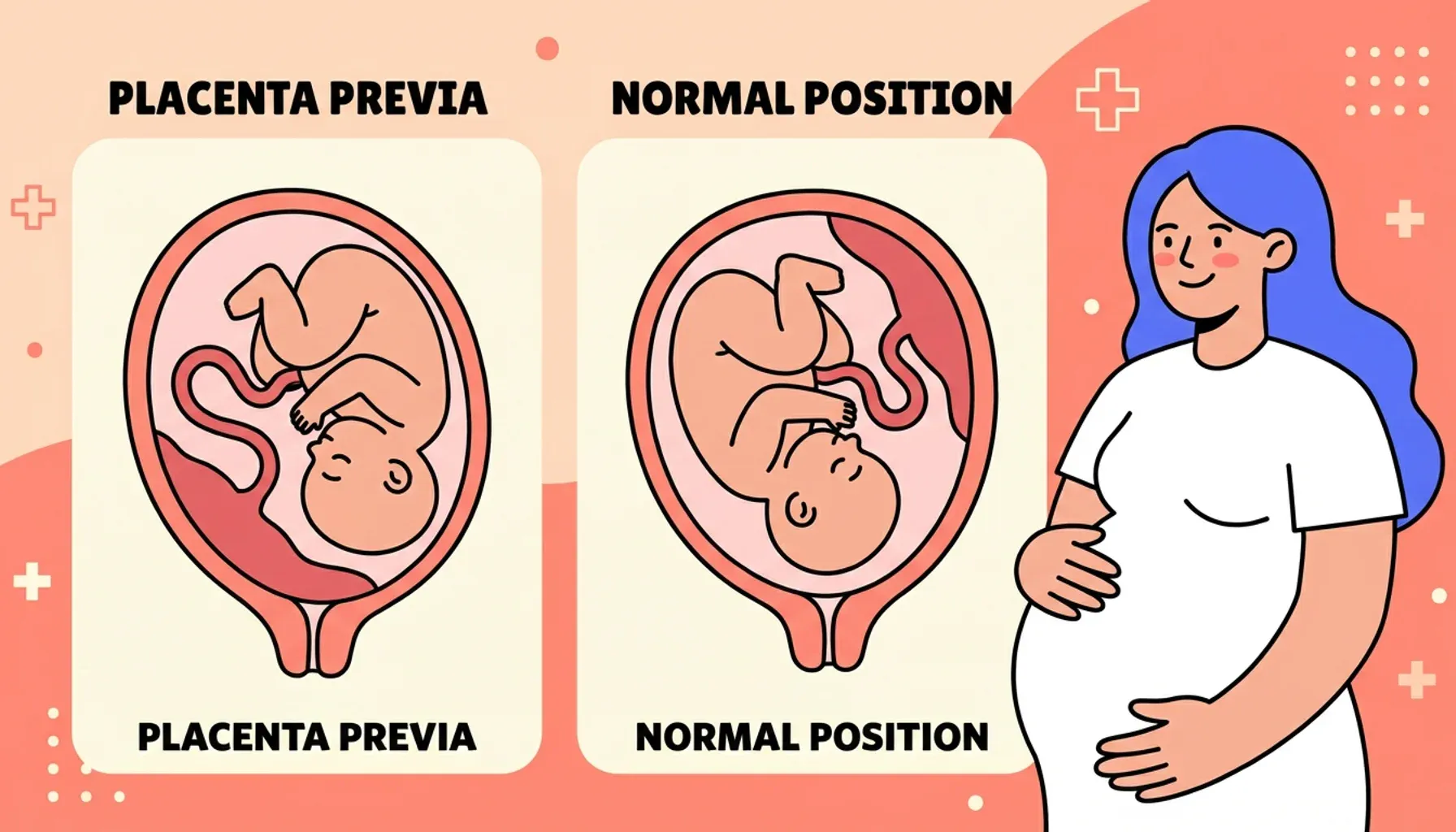

This week, the placenta is fully formed
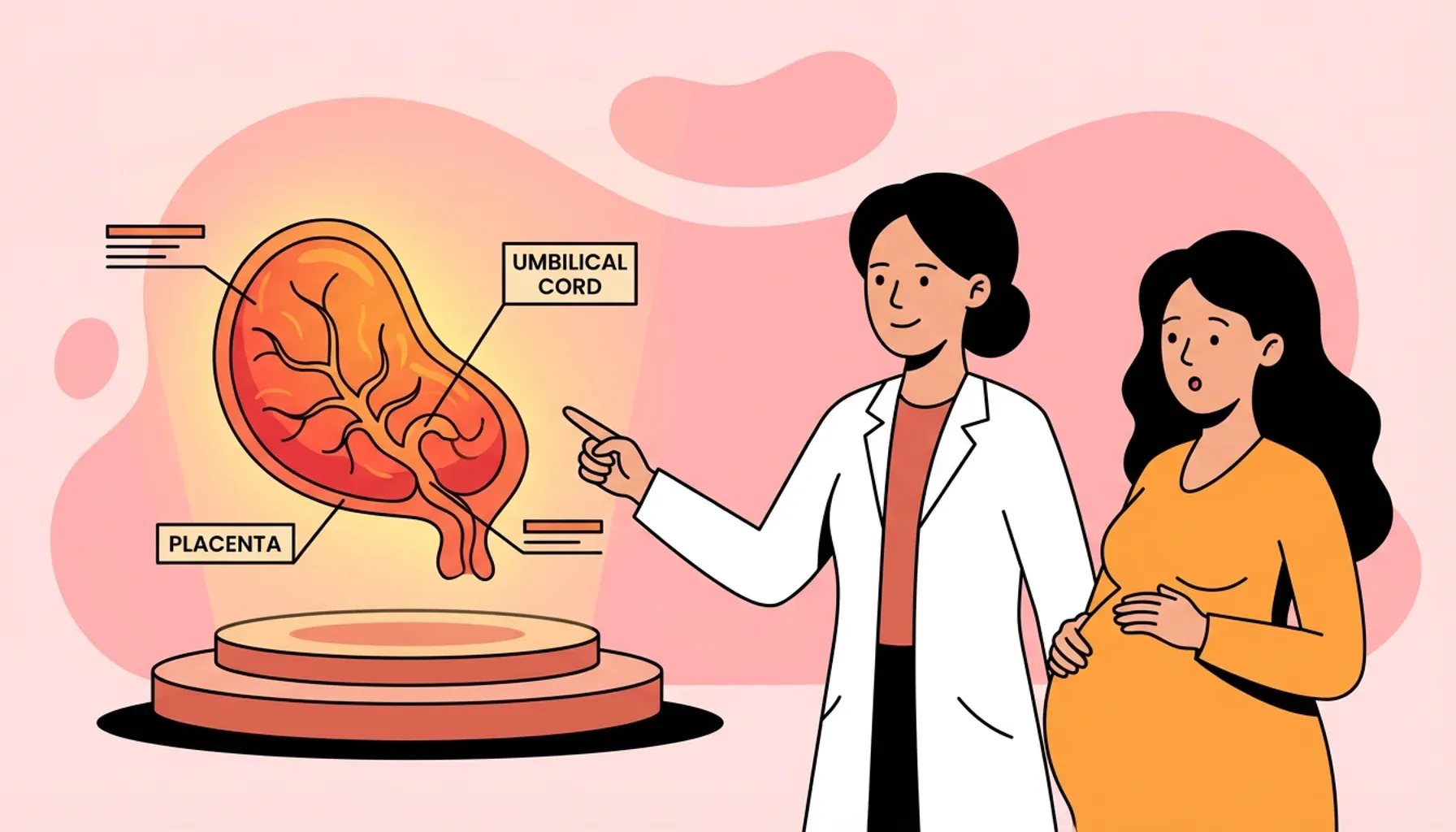
The placenta now produces the progesterone and estrogen needed to support the pregnancy. It is about 16mm, or about 0.6 inches, thick. Which is thick enough to successfully block most harmful substances (including drugs) which could threaten the baby’s health and development. In addition, the placenta prevents the mother’s immune system from mistaking the baby for an external threat.

The baby’s brain continues to grow, and more reflexes develop. They flinch, make fists, purse their lips, grimace, and put their fingers in their mouth. You won’t be able to feel these movements yet, and the baby will be sleeping most of the time.
The baby’s skeletal system is growing quickly. Growth is controlled by the thyroid, and calcium from the mother’s diet hardens the bones. The long bones of the limbs develop, ribs appear, and the skull and spine harden.
The head is no longer pressed into the chest [1]. You can see a clearly defined chin, nose, and brow arches on the face. The eyes and ears are positioned correctly and symmetrically [1].
The baby's skin is very thin and delicate, and due to the almost complete absence of subcutaneous fat, they are red and wrinkled. Their skin reveals an underlying network of capillaries (small blood vessels).
The respiratory system has now developed. It may look like the baby is breathing, but since the glottis is still closed, these movements are largely for strengthening and training the muscles of the chest and diaphragm. Nevertheless, the movement makes a small quantity of amniotic fluid enter the baby’s lungs.
If you are expecting twins
You may be asked to take additional tests. At this point it is important to determine which type of twins you are carrying: monozygotic (identical) or dizygotic (fraternal). Both the prenatal care and the delivery plan will depend on this.
What we can see on an ultrasound
The baby lies on their back, resting against the uterus, which makes the spine visible on the ultrasound. The umbilical cord, with one vein and two arteries, appears within the darkness of the amniotic fluid. A dark spot on the chest reveals the heart and blood vessels. A strip-like diaphragm appears, and the liver and intestines are visible in the abdominal cavity.
Against the placenta is the round, small, and structured head of the baby. The bones of the skull, forming the cranium, protect the growing brain. The brain’s large hemispheres are visible, as is the plexus of nerve fibers connecting them (the corpus callosum).
The facial structure, nose, and lips are clearly visible in the image. Since the baby’s chin is no longer pressed against their chest, their small neck is now visible.
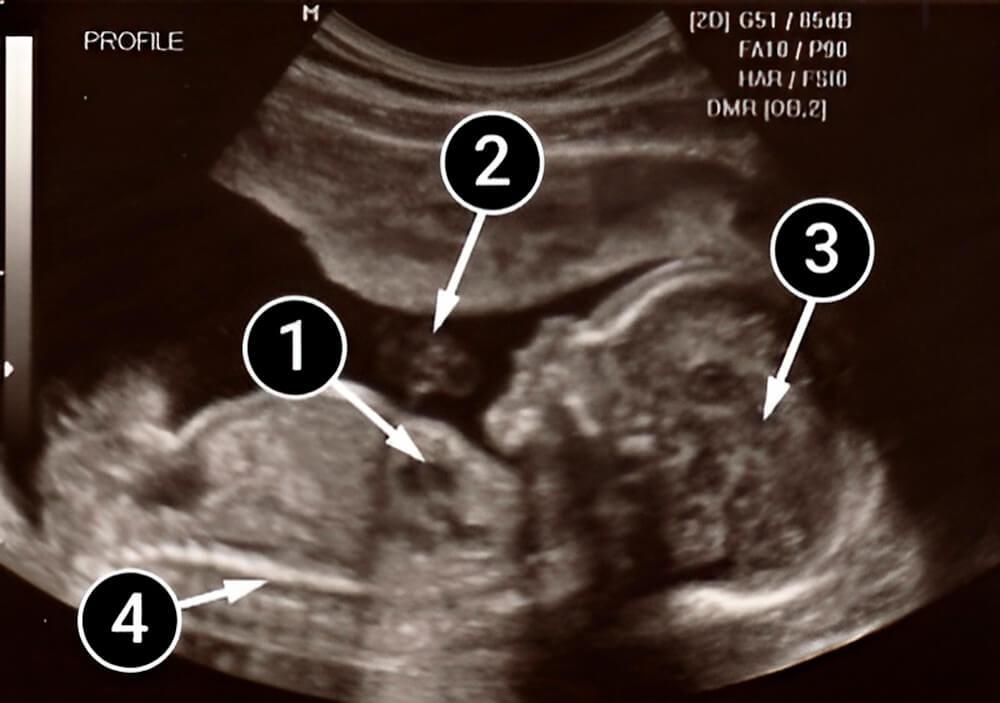
heart
umbilical cord
the brain
spine
The second image shows a rarer sight: triplets! Three babies grow together in the uterus, each in their own amniotic sac, sharing one placenta. The baby in the middle is more clearly visible than their siblings, the head and legs being quite noticeable.
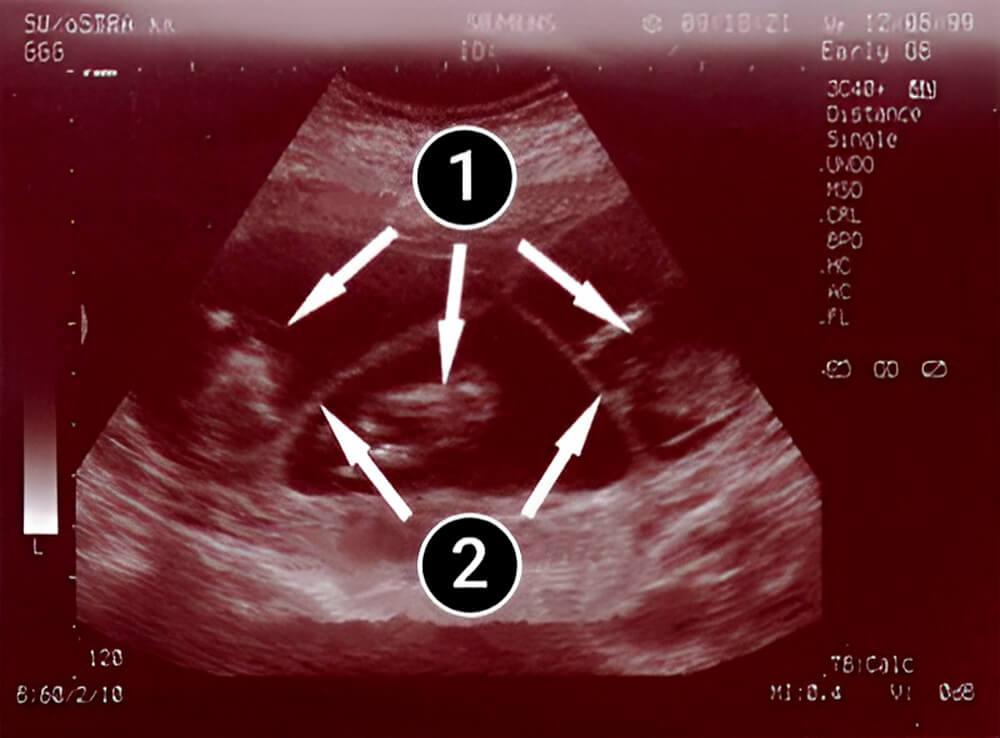
three babies
amniotic sac
Brewer S. The Pregnant Body Book. Dorling Kindersley Publishing Staff, 2012, pp. 108-109.