
Prenatal depression, also referred to as antenatal depression is a condition that some may experience during pregnancy. While some people may chuckle at the stereotypes of hormonal mood swings and tears during pregnancy, some expectant mothers may experience certain challenges during pregnancy and may need to access medical help to care for their symptoms [1]. Up to 20% of pregnant women deal with prenatal depression [2] during a time in their lives when doctors can’t prescribe antidepressants [3].
Do changing hormones cause depression?
Hormones can make you feel more vulnerable and “raw,” but they don’t bring on depression on their own. Each individual has a different experience under the influence of their hormones. Prenatal depression is most likely to affect an expectant mother suffering from external stressors. Situations such as divorce, job loss, or family drama are far more likely to cause depression than hormones. Furthermore, women who have suffered from depression in the past are more likely to experience it during pregnancy [3].
How do we know it’s depression?
Mood changes are common during pregnancy, many expectant mothers are likely to feel tired or irritable. But if you notice that you are feeling sadder than usual, experience constant feelings of hopelessness, and no longer enjoy the things you used to, it’s important that you talk to a midwife or GP to get the help and support you need. Prenatal depression can be difficult for some medical professionals to identify at times, but doctors do have a diagnostic questionnaire that can help spot prenatal depression. Here are typical symptoms that point to a need for intervention [4]: - excessive concern about the baby - low self-esteem and a persistent feeling that you are not ready to be a mother; loss of interest in activities you normally love, feelings of apathy instead of joy - indifference toward your doctor's advice - loss of appetite - smoking and/or drinking alcohol - thoughts of suicide
Are antidepressants really not a treatment option?
Unfortunately they are not. Most antidepressants carry the risk of impairing the baby’s brain development, leading to intellectual disabilities. They can also increase the chances of preterm birth. [3]. This is why doctors don’t prescribe antidepressants for patients who may be experiencing depression while pregnant.
What are other treatment options?
The safest and most effective method of treatment is therapy with a licensed health practitioner. Another important factor is having easy access to your doctor or midwife (or other professional assisting your pregnancy) [5]. However we recognize that this might not be accessible to everyone, therefore your health professional may recommend a number of self-help tips that can help improve your mood, these may include [1]: - talking more about your feelings to a friend, family member or health professional - increasing physical activity levels - attending prenatal classes to meet other pregnant people - eating a healthier diet - practicing breathing exercises when faced with feelings of stress or worry
These practical suggestions might help to soothe feelings of depression.
What else should I watch out for?
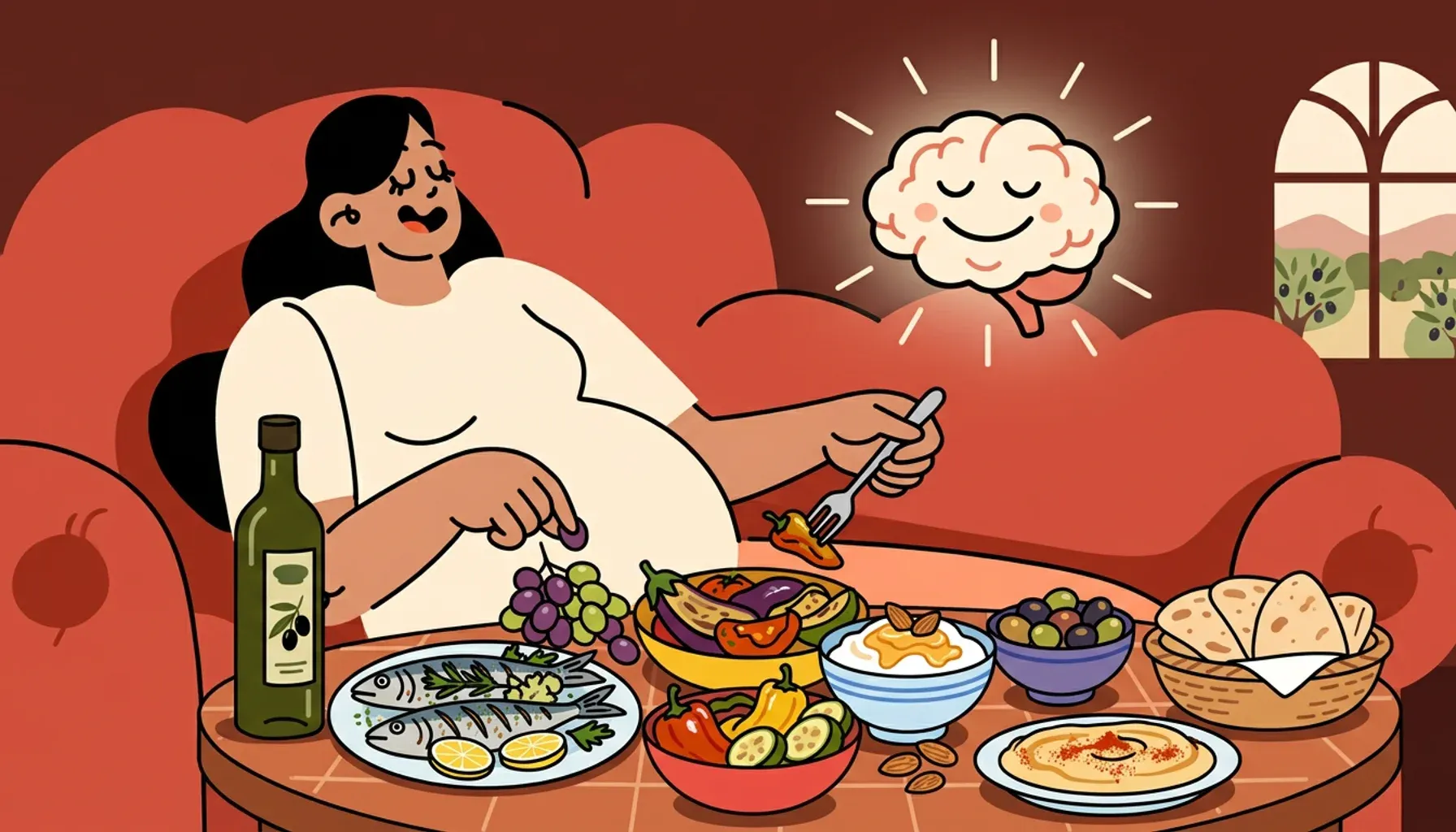
Depression during pregnancy can also be caused by nutrient deficiencies, especially iron and omega-3 fatty acids [2]. Make sure you are eating foods that supply these. In cases where diet doesn’t supply enough of these nutrients, talk to your doctor about supplements [6].
This article was created in association with UNFPA, the United Nations sexual and reproductive health agency.