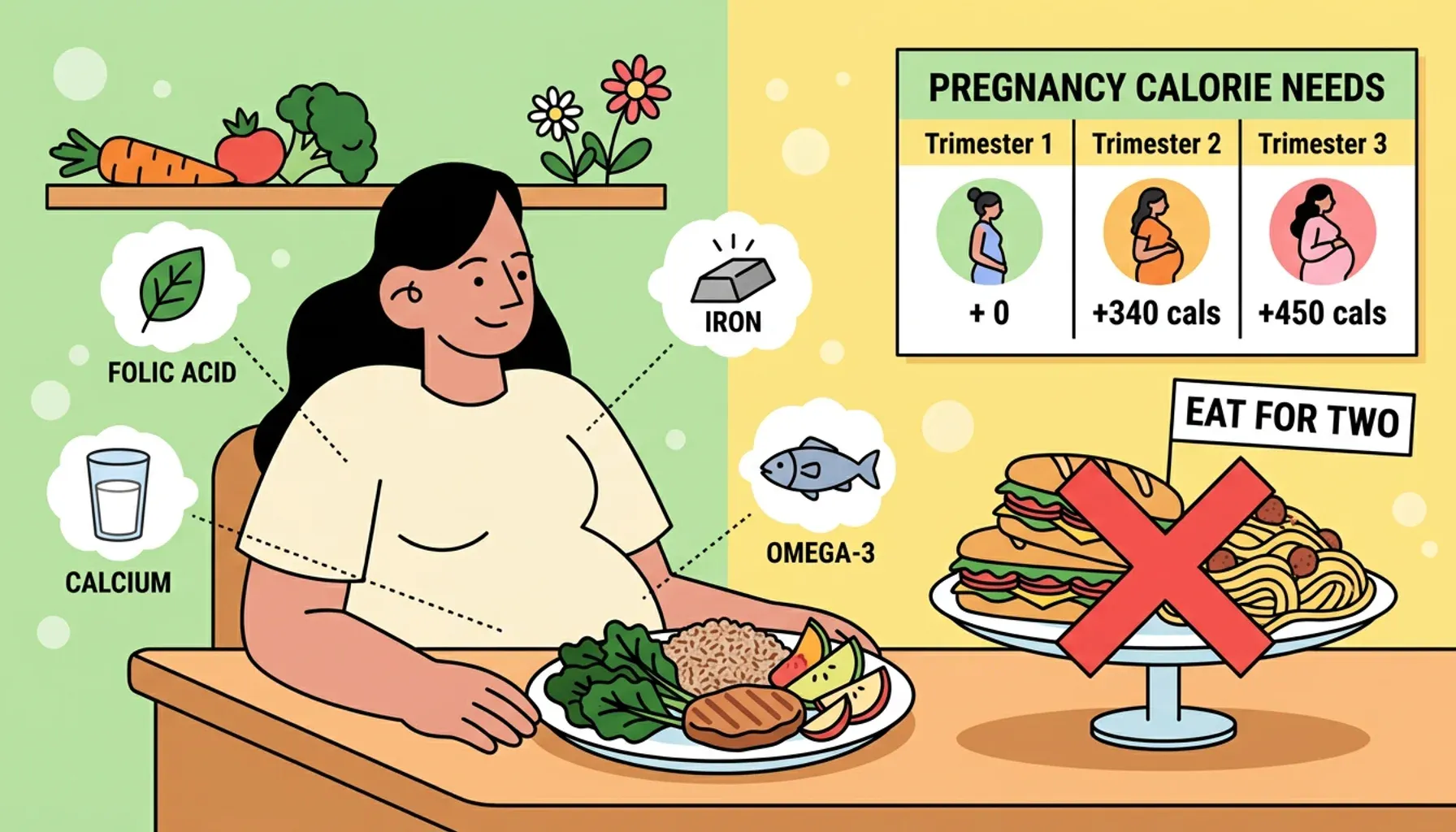

Planning for pregnancy? Why you need folic acid
All pregnant women are prescribed folic acid from the very first visit to the gynecologist.
The need for folate is so important that it is even added to oral contraceptives so that women can accumulate the necessary vitamin in advance [1].
Folate is a derivative of folic acid, the collective name for the B vitamins essential for the health and development of a baby. The term "folate" usually refers to naturally occurring vitamins that enter the body through food. Synthetic supplements are often referred to as "folic acid" [1, 2].
Folates are involved in the synthesis of DNA; in the first 28 days after conception, normal development of the neural tube depends on them, from which the brain and spinal cord are then formed [3]. For this reason, it is so important to eliminate the deficiency when planning for pregnancy.
The American College of Obstetricians and Gynecologists (ACOG) recommends starting folate intake at least one month before a planned pregnancy and continuing throughout the first trimester. You should take 600 mcg of folic acid per day. Since it is difficult to get so much solely from food, it is recommended that mamas-to-be take folic acid in the form of dietary supplements — at least 400 mcg per day [4] — and get the rest from food.
Folate is found in green leafy vegetables, such as spinach, Swiss chard, lettuce, arugula. In addition the following foods are especially rich in vitamin B [2]:
asparagus;
brussels sprouts;
broccoli;
avocado;
sprouted wheat or soybeans;
peanut.