EN
try amma today
How to ensure you are eating right
Pregnancy

How to ensure you are eating right

3 min readWeek 2
Key takeaways
3 min
  • Follow the WHO balanced nutrition guidelines by limiting fat intake to 30% of calories and eating at least 400g of fruits and vegetables daily.
  • Consider adopting a Mediterranean diet during pregnancy, which studies show reduces preterm birth and gestational diabetes risk.
  • Incorporate Scandinavian diet principles with fish as a protein base and rapeseed oil to significantly lower preeclampsia likelihood.
  • Limit added sugars to 10% of total calories and replace sweets with fresh fruits for optimal maternal health.
  • Reduce salt intake to 5 grams daily and prioritize unsaturated fats over saturated fats for healthy pregnancy outcomes.

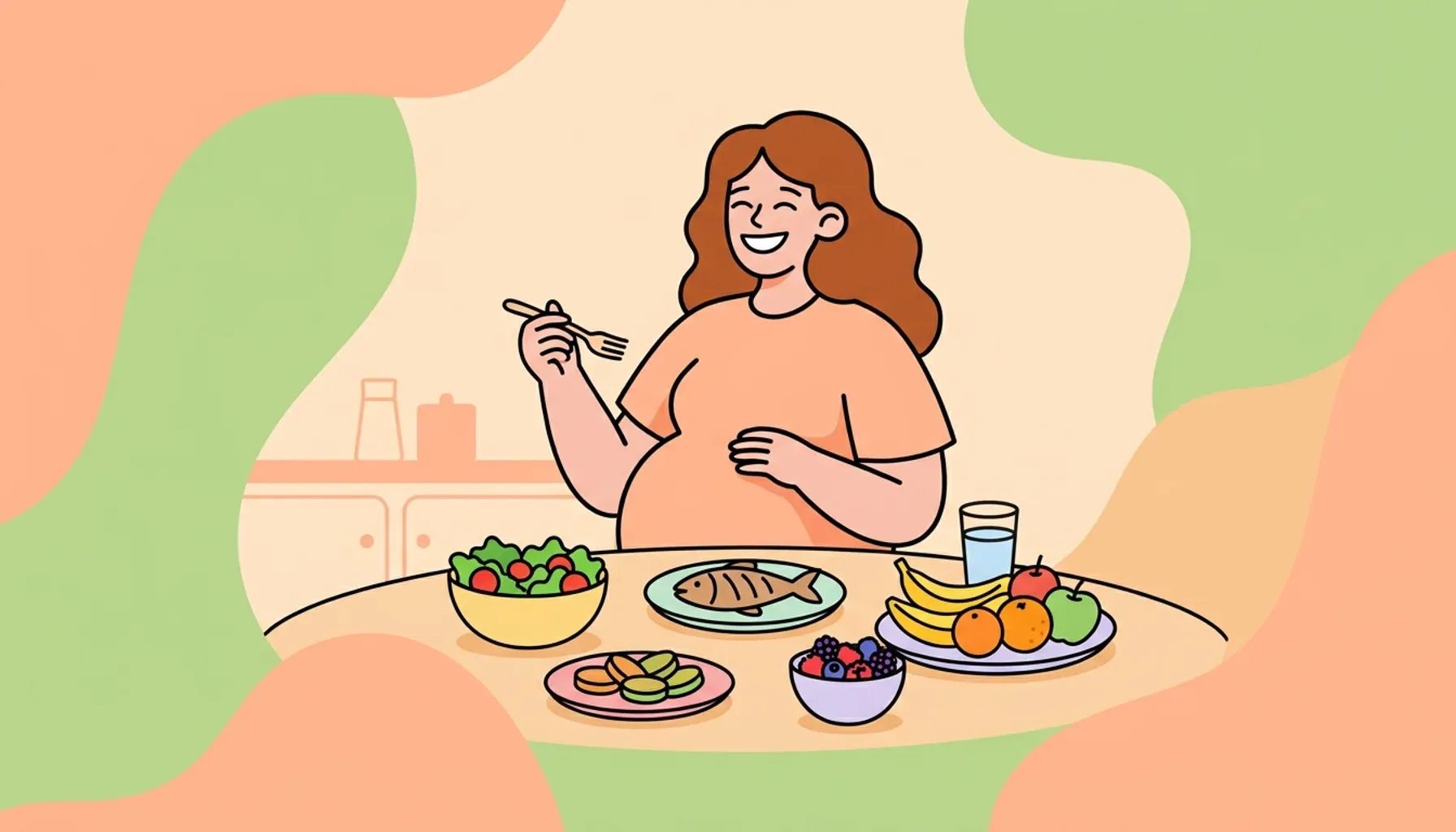
For a healthy pregnancy, follow evidence-based diets like Mediterranean or Scandinavian patterns. Eat 400g+ fruits/vegetables daily, limit fats to 30% of calories, keep added sugars under 10%, and reduce salt to 5g daily for optimal maternal outcomes.

amma app

Track your pregnancy in the app

Personalized content for your pregnancy week

Download App

How to ensure you are eating right

If you are generally healthy, proper nutrition and moderate physical activity are all you need when planning your pregnancy.

The difficulty is that the very concept of "proper nutrition" is rather vague. Even the World Health Organization (WHO) has at least three versions of this definition.

Balanced nutrition [1]

The main factor of a balanced diet is formulated as follows: “Energy intake (calories) should be in balance with energy expenditure” [1]. A healthy diet contains:

  • Large portions of vegetables, fruits, legumes and cereals.

  • Fat intake should not exceed 30% of the total calorie intake. Saturated fats (butter, lard, sour cream, cream, palm and coconut oils) should be less than 10%. Preference should be given to unsaturated (vegetable oils and fish oil).

  • The added sugars should not exceed 10% of the total calories in the diet. It is better to replace sweets with fruits.

  • You need to eat at least five portions of vegetables and fruits per day (400 g). Potatoes are not included.

  • Reduce salt intake to 5 grams per day.

Mediterranean diet [2]

Usually presented in the form of a pyramid, the medetarian diet includes cereals, potatoes, legumes, bread and vegetables at the base. The next level includes fruits, nuts, dairy products (yogurt and cheese) in moderation. Fish, poultry and eggs 0 to 4 times a week. The main source of fat is olive oil. Saturated fats (mainly in cheeses) account for 7% of the total energy value of the diet [3]. Since the mid-90s, the diet has been especially popular in the United States, where its effects during pregnancy have been studied. There is evidence that sticking to a Mediterranean diet throughout pregnancy reduces the likelihood of preterm birth and gestational diabetes [4].

Scandinavian diet [2]

The Scandinavian diet differs from the Mediterranean one by the higher consumption of fish (it is the basis of the diet) [2] and rapeseed oil is used instead of olive oil. Moreover, in the northern countries, oats, barley and rye [5] replace wheat and rice for grains and a lot of fruit has been replaced by berries. Also, Scandinavians drink a lot of milk — much more than fruit juices [6].

A study was conducted in Norway, Sweden, Finland and Denmark for 10 years (from 1999 to 2008 inclusive) to find out how the Scandinavian diet affects pregnancy. A study of more than 72 thousand women showed that adherence to the Scandinavian diet significantly reduces the likelihood of preeclampsia, a serious complication of pregnancy [6].


Frequently asked questions

The Mediterranean and Scandinavian diets are scientifically proven best options for healthy pregnancy. Both emphasize vegetables, fruits, fish, and healthy fats while reducing processed foods and saturated fats.

You should eat at least five portions of fruits and vegetables daily, totaling 400 grams minimum. This provides essential vitamins, minerals, and fiber needed for healthy pregnancy development.

Yes, research shows that following a Mediterranean diet throughout pregnancy reduces the likelihood of preterm birth and gestational diabetes. It emphasizes olive oil, fish, fruits, and vegetables while limiting processed foods.

Limit saturated fats to less than 10% of calories, keep added sugars under 10%, and reduce salt to 5 grams daily. Avoid excessive butter, cream, and processed foods high in sugar and sodium.

The Scandinavian diet significantly reduces preeclampsia risk during pregnancy. It emphasizes fish consumption, rapeseed oil, berries, and whole grains like oats and barley instead of refined options.

Medical Disclaimer

This article is for informational purposes only and is not a substitute for professional medical advice, diagnosis, or treatment. Always seek the advice of your physician or qualified health provider with any questions you may have regarding a medical condition.

Meet our medical experts

Medically reviewed content

Reviewed by healthcare professionals · Updated June 6, 2025

Track your pregnancy on the go

Rated 4.8417,594 reviews