EN
try amma today
How do uterine fibroids affect pregnancy?
Pregnancy

How do uterine fibroids affect pregnancy?

2 min readWeek 22
Key takeaways
2 min
  • Understand that most women with fibroids can maintain a healthy pregnancy and deliver successfully with proper medical monitoring.
  • Monitor fibroid size and location closely through regular prenatal checkups and additional ultrasounds as recommended by your healthcare provider.
  • Recognize warning signs including severe abdominal pain, bleeding, or unusual symptoms that may indicate fibroid-related complications.
  • Discuss delivery options early with your doctor, as large fibroids may require cesarean section while smaller ones often allow vaginal delivery.
  • Follow all prenatal care recommendations strictly to minimize risks of preeclampsia, placental issues, or premature birth.

Uterine fibroids affect 20-25% of reproductive-age women but most can maintain a healthy pregnancy with proper monitoring. While large or multiple fibroids may increase risks like bleeding or preterm birth, regular prenatal care and ultrasounds help ensure safe outcomes for mother and baby.

amma app

Track your pregnancy in the app

Personalized content for your pregnancy week

Download App

Uterine fibroids are a common gynecological issue. It occurs in 20-25% of women of reproductive age [1]. Fibroids themselves are not life-threatening, but in some cases, they can lead to problems during pregnancy. 

What are uterine fibroids?

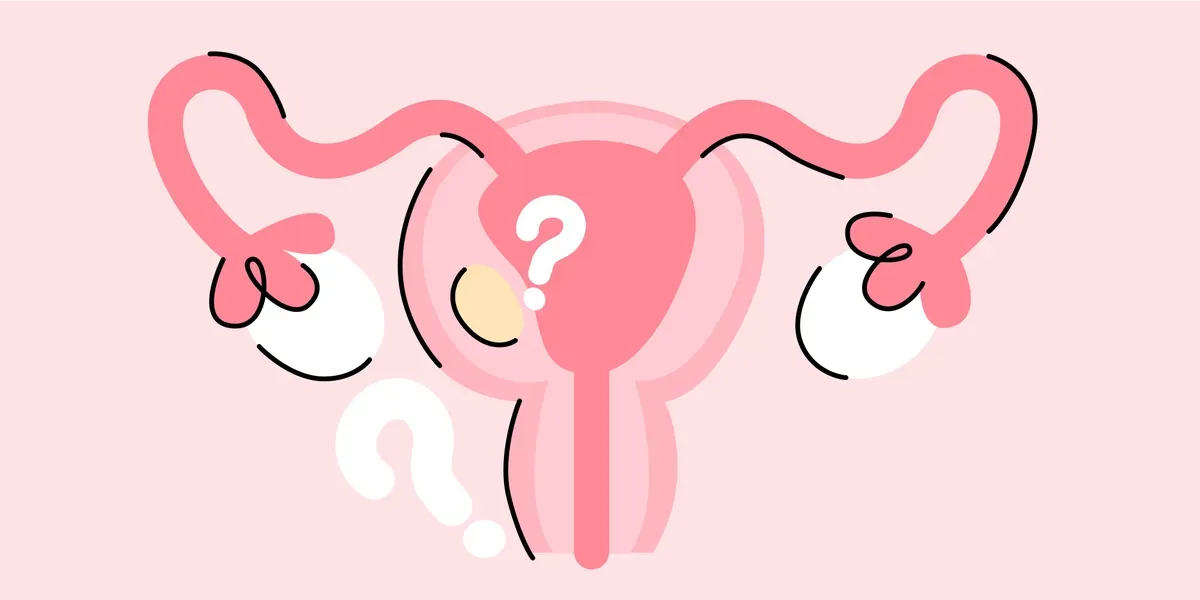
Fibroids are benign formations (nodes) that develop from muscle tissue. A woman may have one or more myomatous nodes in different sizes; they may be tiny (like a pea) or large (like a large apple). Fibroids can remain small for a long time or grow suddenly and rapidly. The reason behind the development of fibroids is not fully known, but heredity and fluctuations in female hormones (estrogen and progesterone) play a role [2].

How do I find out if I have fibroids?

Before pregnancy, fibroids can cause copious, prolonged menstruation, bleeding in the middle of the menstrual cycle, frequent urination (a growing tumor can press on the bladder), and pain during sex [2]. 

But often, the condition is asymptomatic and does not interfere with the onset of pregnancy. That is why some expectant mothers find out they have fibroids until their first pregnancy screening [1]. 

Can this formation lead to complications during pregnancy?

In most cases, women with fibroids successfully carry pregnancy and give birth to healthy children. But a lot depends on the location of the formation, its size, and the number of nodes. 

Problems may arise if the fibroid is large, begins to grow, or if there are numerous nodes. That can lead to severe abdominal pain, bleeding, and even miscarriage (especially in the early stages). In addition, problematic fibroids increase the risk of preeclampsia, placental abruption, premature birth, and cesarean section [3, 4].

Therefore, women with fibroids should follow their doctor's recommendations carefully, not skip any appointments and, if necessary, undergo additional ultrasounds (these help the doctor assess the embryo's condition and the fibroids' size).

Can I deliver vaginally if I have fibroids, or do I have to have a cesarean section? 

Every woman is different. If the risk of complications is low, she can more than likely deliver vaginally, but if the myomatous nodes are large or if they block the birth canal, the doctor will probably indicate a c-section is in order [4].

Frequently asked questions

Yes, most women with uterine fibroids can have a healthy pregnancy and deliver successfully. The key is proper medical monitoring and following your doctor's recommendations throughout pregnancy.

Large or rapidly growing fibroids can increase miscarriage risk, especially in early pregnancy. However, small, stable fibroids typically don't cause pregnancy complications with proper care.

Many women with fibroids can deliver vaginally if the fibroids are small and don't block the birth canal. Your doctor will assess your specific situation to determine the safest delivery method.

Fibroid symptoms during pregnancy may include severe abdominal pain, unusual bleeding, or pressure symptoms. Many fibroids are discovered during routine pregnancy ultrasounds as they can be asymptomatic.

Fibroids may grow during pregnancy due to increased hormone levels, particularly estrogen and progesterone. Regular monitoring helps track any changes in size or position.

Medical Disclaimer

This article is for informational purposes only and is not a substitute for professional medical advice, diagnosis, or treatment. Always seek the advice of your physician or qualified health provider with any questions you may have regarding a medical condition.

Meet our medical experts

Medically reviewed content

Reviewed by healthcare professionals · Updated September 8, 2024

Track your pregnancy on the go

Rated 4.8417,594 reviews