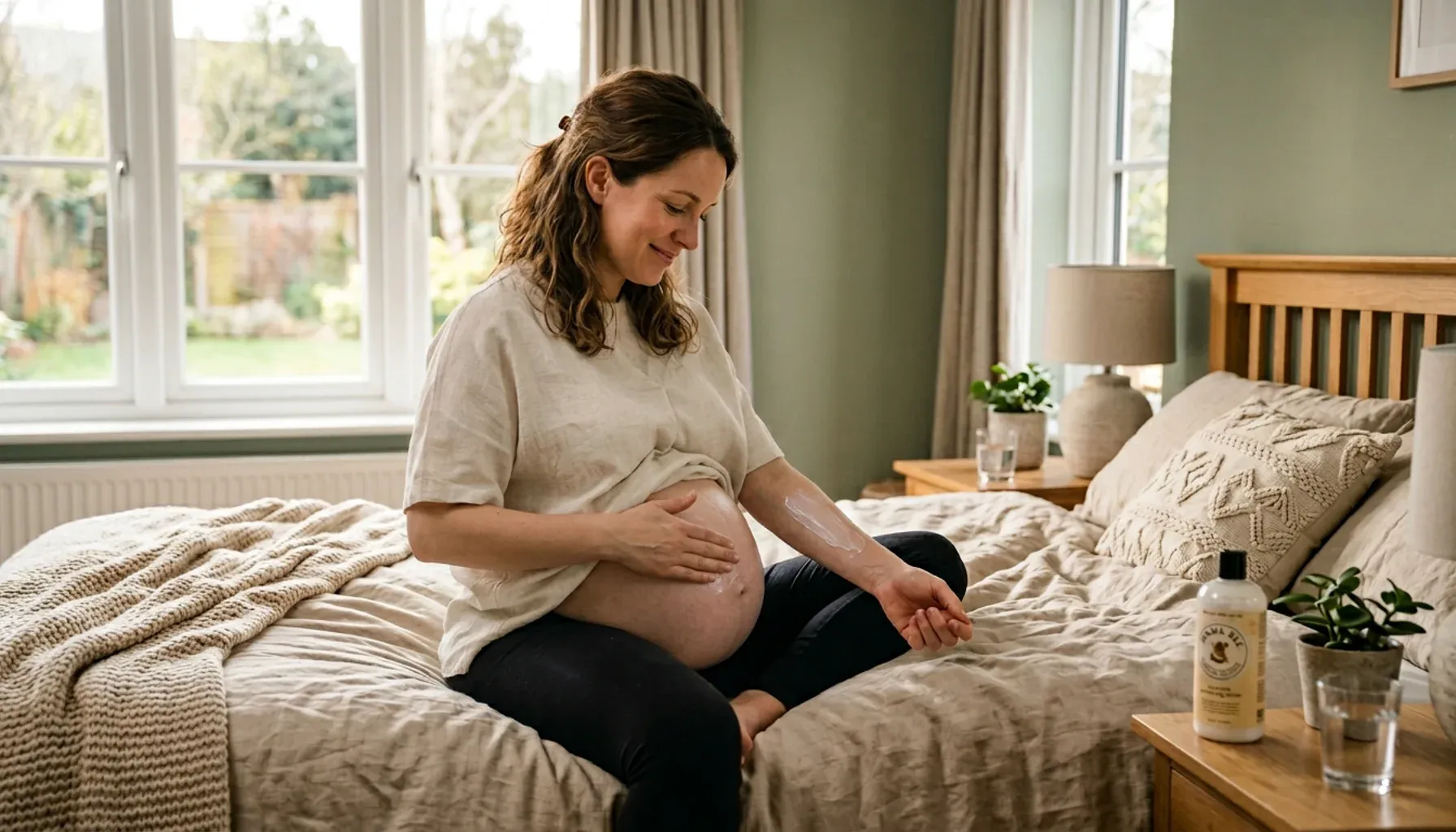

Changes in the immune system, heart, and lungs during pregnancy make pregnant women more likely to experience severe illness from the flu [1]. Influenza vaccination during pregnancy protects both you and your baby, as there is no licensed vaccine available for neonates up to 6 months after birth [2].
When does the flu pose a higher risk to my pregnancy?
The first trimester is considered the riskiest time to get sick. This is when the flu carries a high risk of pregnancy complications and developmental disorders for the baby.
Overall, the flu carries ten times more risk of complications for a pregnant woman than for non-pregnant ones. If you can protect yourself from being impacted by the flu you are helping protect both you and your baby during pregnancy.
Does the vaccine work?
The WHO identified pregnant women as the highest priority group for seasonal influenza vaccination. Influenza vaccination of pregnant women will protect both the mother and her young infant against influenza, as there is no licensed vaccine available for newborns up to 6 months after birth. Giving influenza vaccines to pregnant women is safe and has proven to be efficacious, preventing laboratory-confirmed influenza in 35–70% of mothers and 28–61% of infants under 6 months of age [2].
Which is the safest trimester to get a flu shot?
Rather than considering the stage of your pregnancy, you should decide on the timing of your flu shot according to the flu season. In most countries, flu season typically starts in late fall, so your best bet is around October. It doesn’t matter which trimester you are in; the flu shot is safe and will not hurt you or your baby.
If you get the vaccine in your third trimester, it will protect the baby for a while after birth [3]. If you become pregnant in the fall, go ahead and get the vaccine early on.
Does the shot make you sick?
No. The vaccine takes two to four weeks to become effective against the virus, so what often happens is that people become exposed to the virus soon after the shot. One recommendation from doctors is that everyone in close contact with the expectant mother also gets vaccinated to minimize the risk of infection to her and the baby.
Which flu shot is best for pregnant women?
Pregnant women receive only inactivated vaccines [3]. All FDA-approved inactivated vaccines are equally effective.
Can allergy sufferers get the flu shot?
The risks of adverse reactions are lower than the risk of flu. However, if you have an egg allergy, you can get vaccinated at a hospital and stay under supervision for a short while to make sure all is well.
Can I get the nasal spray vaccine?
When you get vaccinated, request the flu shot — not the nasal spray vaccine. The nasal spray flu vaccine is not recommended for pregnant women because it is made from a live attenuated virus, which means the virus is weakened but still alive and could potentially infect you with the flu [4]. If you have concerns about the flu shot during pregnancy, talk to your doctor [1].
This article was created in association with UNFPA, the United Nations sexual and reproductive health agency.