EN
try amma today
Can food poisoning affect the outcome of the pregnancy?
Pregnancy

Can food poisoning affect the outcome of the pregnancy?

2 min readWeek 29
Key takeaways
2 min
  • Avoid high-risk foods like unpasteurized dairy, undercooked meat, and raw eggs to protect against listeria, salmonella, and E.coli infections during pregnancy.
  • Wash hands thoroughly before eating and cooking, as unwashed hands are the most common source of E.coli contamination.
  • Cook all foods to safe temperatures: eggs until yolks harden, meat to 167-176°F, and fish until fully cooked through.
  • Recognize that food poisoning poses greater risks during pregnancy, potentially causing premature birth, intrauterine sepsis, or pregnancy loss.
  • Practice extra food safety vigilance in the third trimester when susceptibility to listeria infection increases significantly.

Food poisoning during pregnancy can cause serious complications including premature birth, pregnancy loss, and intrauterine sepsis. Pregnant women are especially susceptible to listeria, salmonella, and E.coli infections, which pose greater risks than in non-pregnant individuals.

amma app

Track your pregnancy in the app

Personalized content for your pregnancy week

Download App

Can food poisoning affect the outcome of the pregnancy?

Bacterial intestinal infections during pregnancy are by no means harmless. Under normal circumstances, food poisoning might just mean a couple of extra trips to the toilet, but during pregnancy, it can create serious threats for mother and baby.

Expectant mothers have an increased susceptibility to the bacteria Listeria monocytogenes, especially in the third trimester. The reasons are not very clear [1]. Listeriosis is not just less tolerated during pregnancy. Unfortunately, very often these bacteria lead to premature birth or loss of the baby [2]. The main sources of infection are meat with blood, unpasteurized milk and soft cheeses.

Salmonellosis affects pregnant women no more often than everyone else. But if you experience nausea, vomiting and fever, then the baby could be at risk of intrauterine sepsis [3]. Salmonella is most commonly ingested from raw eggs and raw fish.

E. coli is the most common cause of food poisoning. It accounts for more than 40% of all intestinal infections. If you get E. coli when pregnant, the closer you are to delivery, the higher the level of threat to the baby [4]. There are many possible sources of infection, but the most common is your own unwashed hands.

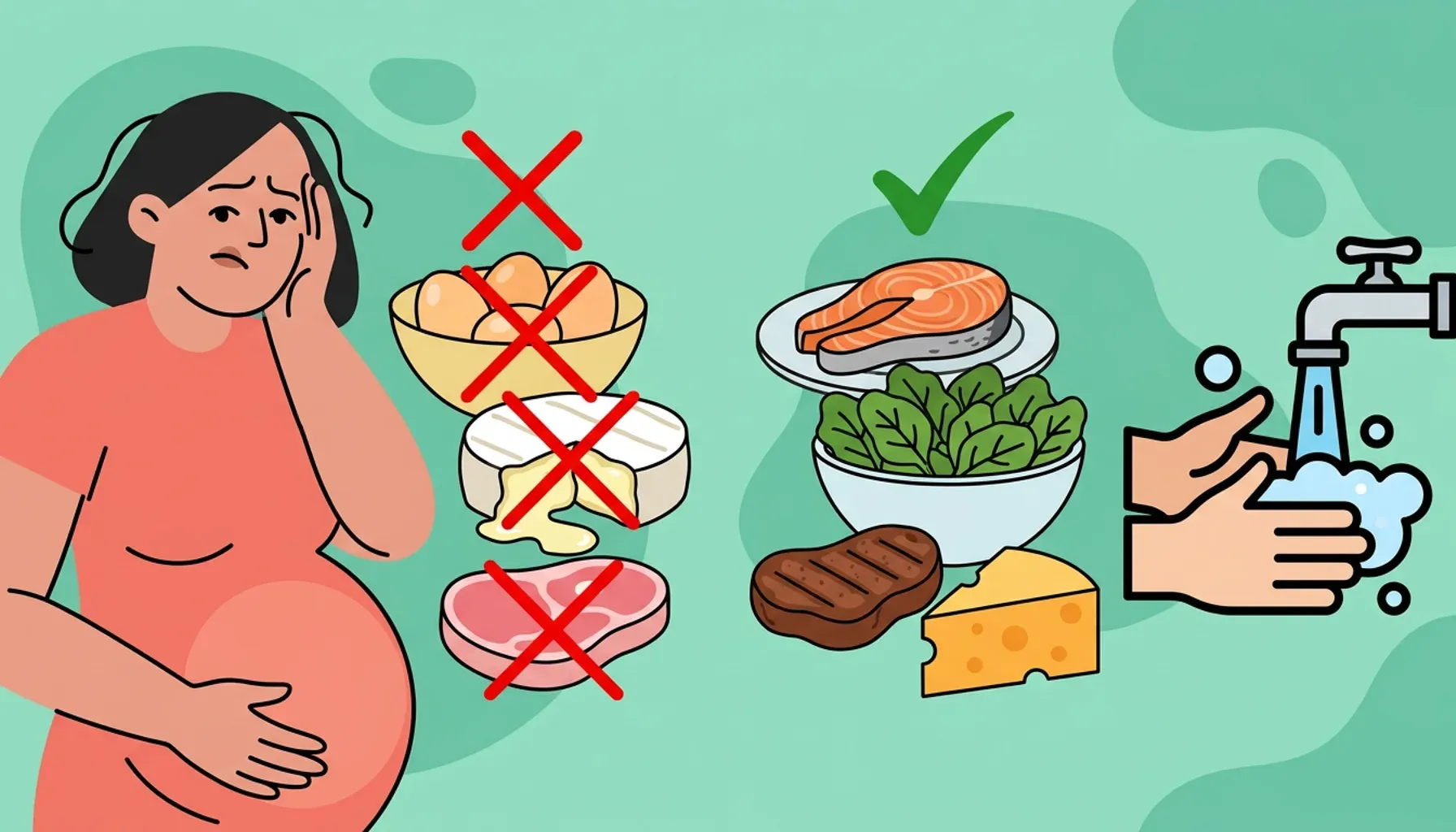
The main recommendations for avoiding and preventing food poisoning when pregnant come down not to the choice of products but to methods of processing them and to adherence to generally accepted hygiene standards:

  • Wash your hands before eating and before cooking.

  • Wash raw foods (fruits, berries, leafy vegetables) thoroughly and individually.

  • Cook the eggs until the yolk hardens.

  • Bake fish until cooked all the way through.

  • Cook meat and poultry until the inside temperature reaches 167-176° F (75-80 C). Use a meat thermometer [5].


Frequently asked questions

Yes, certain foodborne infections like listeria can lead to pregnancy loss or premature birth. Listeria is particularly dangerous during pregnancy and often results in serious complications for both mother and baby.

Avoid unpasteurized milk and soft cheeses, undercooked meat with blood, raw eggs, and raw fish. These are common sources of listeria, salmonella, and other harmful bacteria that pose risks during pregnancy.

Yes, pregnant women have increased susceptibility to listeria bacteria, especially in the third trimester. E.coli infections also pose higher risks the closer you are to delivery.

Cook all meat and poultry until the internal temperature reaches 167-176°F (75-80°C). Use a meat thermometer to ensure proper cooking and eliminate harmful bacteria.

Wash hands before eating and cooking, thoroughly wash all raw produce, cook foods to safe temperatures, and maintain proper food hygiene. These steps are more critical during pregnancy than product choices.

Medical Disclaimer

This article is for informational purposes only and is not a substitute for professional medical advice, diagnosis, or treatment. Always seek the advice of your physician or qualified health provider with any questions you may have regarding a medical condition.

Meet our medical experts

Medically reviewed content

Reviewed by healthcare professionals · Updated June 6, 2025

Track your pregnancy on the go

Rated 4.8417,594 reviews