EN
try amma today
Are you eating these essential foods?
Pregnancy

Are you eating these essential foods?

3 min readWeek 5
Key takeaways
3 min
  • Include whole grain products like brown rice and whole wheat bread daily to get essential B vitamins, magnesium, and fiber needed during pregnancy.
  • Eat dark green leafy vegetables like spinach and kale daily to boost magnesium levels and get vital vitamins A, C, and K.
  • Consume 1 cup of berries or one large fruit daily, with avocados being an excellent source of potassium and healthy fats for cell development.
  • Incorporate dairy products daily through milk, yogurt, or cheese to meet increased calcium and protein needs during pregnancy.
  • Add protein sources like fatty fish, lean meat, eggs, and legumes to your diet for omega-3 fatty acids, iron, and vitamin B9.

Essential healthy pregnancy foods include whole grains for B vitamins, dark leafy vegetables for magnesium and vitamins, fruits for vitamin C, dairy for calcium, and protein sources like fish and legumes for omega-3 and iron.

amma app

Track your pregnancy in the app

Personalized content for your pregnancy week

Download App

Are you eating these essential foods?

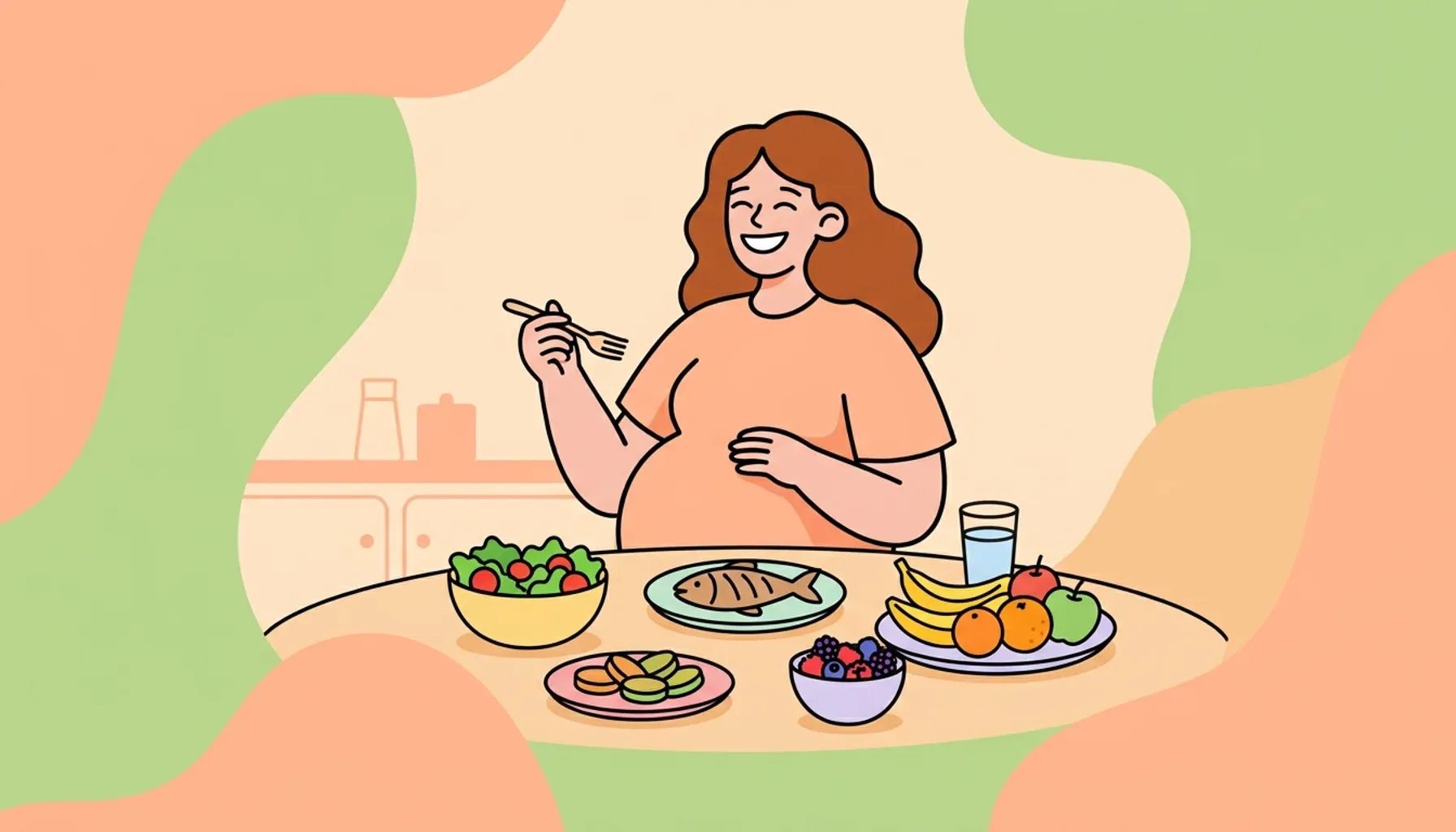
Now you need an increased supply of essential amino acids, fats and vitamins as these are the building blocks of new cells. Here are five food groups where these nutrients are especially abundant.

Whole Grain Products

Unlike refined grains which have been processed to remove outer layers, whole grains are rich in B vitamins, magnesium and fiber [1]. You can find whole grains in various foods including cereals, whole wheat bread, durum wheat pasta and brown rice. Be sure to eat about one slice of whole grain bread or half a cup of brown rice daily.

Vegetables

The most nutritious veggies are dark green leafy vegetables: cabbage, kale, spinach. They are an excellent source of fiber, vitamins A, C, K, potassium and magnesium — which many expectant mother’s lack. There is research that proves that a daily consumption of green vegetables increases the concentration of magnesium in the blood. But all veggies, regardless of color are especially beneficial for expectant mothers. Eat at least half cup cooked or 1 cup fresh vegetables per day to ensure you receive enough folic acid and vitamin B12 [2].

Berries and fruits

Fruit and berries are an excellent source of fiber and vitamin C. You should aim for 1 cup of berries or one large fruit daily. Doctors often recommend bananas as a source of potassium. But, avocados can be an alternative source of potassium — they actually have more than bananas [3], and they also contain healthy fats, which are an necessary building material for the cells of mother and baby.

Dairy products

Calcium and protein are more critical now than ever before [4]. You should be sure to incorporate milk, kefir, yogurt, cheese or cottage cheese into your diet. It’s recommended to have 1 cup of milk or kefir, 3.5 ounces of cottage cheese or 1.7 ounces of cheese.

Protein

Beyond meat, you can find good sources of protein and other necessary nutrients by eating fish, eggs, legumes and nuts. Legumes offer vitamin B9 (1 cup contains from 65-90 percent of your daily value [4]). Fatty fish is a source of Omega-3 [5]. And lean beef provides B vitamins and iron. You should eat about 3.5 ounces of meat or fish and 1 cup of legumes daily.

What are the staples in your diet these days? Share in the comments.


Frequently asked questions

The five essential food groups are whole grains, vegetables (especially dark leafy greens), fruits and berries, dairy products, and protein sources. These provide crucial nutrients like folic acid, calcium, omega-3 fatty acids, and vitamins needed for healthy fetal development.

Aim for at least half a cup of cooked vegetables or 1 cup of fresh vegetables per day. Dark green leafy vegetables like spinach, kale, and cabbage are particularly beneficial for their high vitamin and mineral content.

All fruits are beneficial, but aim for 1 cup of berries or one large fruit daily. Avocados are especially valuable as they contain more potassium than bananas plus healthy fats essential for cell development.

Include 3.5 ounces of meat or fish and 1 cup of legumes daily. Fatty fish provides omega-3 fatty acids, lean beef offers B vitamins and iron, while legumes supply 65-90% of your daily vitamin B9 needs.

Medical Disclaimer

This article is for informational purposes only and is not a substitute for professional medical advice, diagnosis, or treatment. Always seek the advice of your physician or qualified health provider with any questions you may have regarding a medical condition.

Meet our medical experts

Medically reviewed content

Reviewed by healthcare professionals · Updated January 15, 2025

Track your pregnancy on the go

Rated 4.8417,594 reviews