EN
try amma today
Anti-Depression Products
Pregnancy

Anti-Depression Products

3 min readWeek 31
Key takeaways
3 min
  • Recognize that 1 in 5 women experience depression during the third trimester of pregnancy, often linked to nutritional deficiencies.
  • Increase intake of omega-3 fatty acids, zinc, and iron through fish, seafood, or supplements to support mood regulation during pregnancy.
  • Include calcium-rich foods like milk and dairy products to help manage hormonal fluctuations that can contribute to prenatal depression.
  • Consider cod liver oil supplements if you don't eat fish regularly, as one serving provides omega-3s for an entire week.
  • Consult your healthcare provider about depression symptoms, especially if you've recently had a positive pregnancy test.

Prenatal depression affects 1 in 5 women during the third trimester. Key nutrients like omega-3 fatty acids, zinc, iron, and calcium can help support mental health during pregnancy by regulating hormones and supporting neurotransmitter production.

amma app

Track your pregnancy in the app

Personalized content for your pregnancy week

Download App

Anti-Depression Products

It is not customary for everyone to talk about prenatal depression. But in the third trimester one out of every five women experiences depression. Most cases of depression can be attributed to genetic predisposition and external circumstances. But food quality also matters [1].

Expectant mothers with a deficiency of zinc, calcium and iron can be more susceptible to depression [1]. But due to the risk of developing clinical depression, dietary influences on depression have been widely studied, especially regarding the benefits of omega-3 fatty acids. The International Institute of Psychiatry has even recommended omega-3s for the treatment of depressive disorders in pregnant women [2].

What foods are needed in the diet?

Milk and dairy products are the main sources of calcium that help women cope with significant hormonal fluctuations. If you do not drink milk, you can take calcium supplements — these can be helpful not only during pregnancy but also during PMS and premenopause to prevent the development of anxiety and depression [3, 4].

Iron and zinc are cofactors of enzymes that are responsible for the synthesis of dopamine and serotonin (the “hormone of joy”). Not eating enough foods rich in zinc and iron, such as meat and seafood, in late pregnancy can cause prenatal and postpartum depression [5].

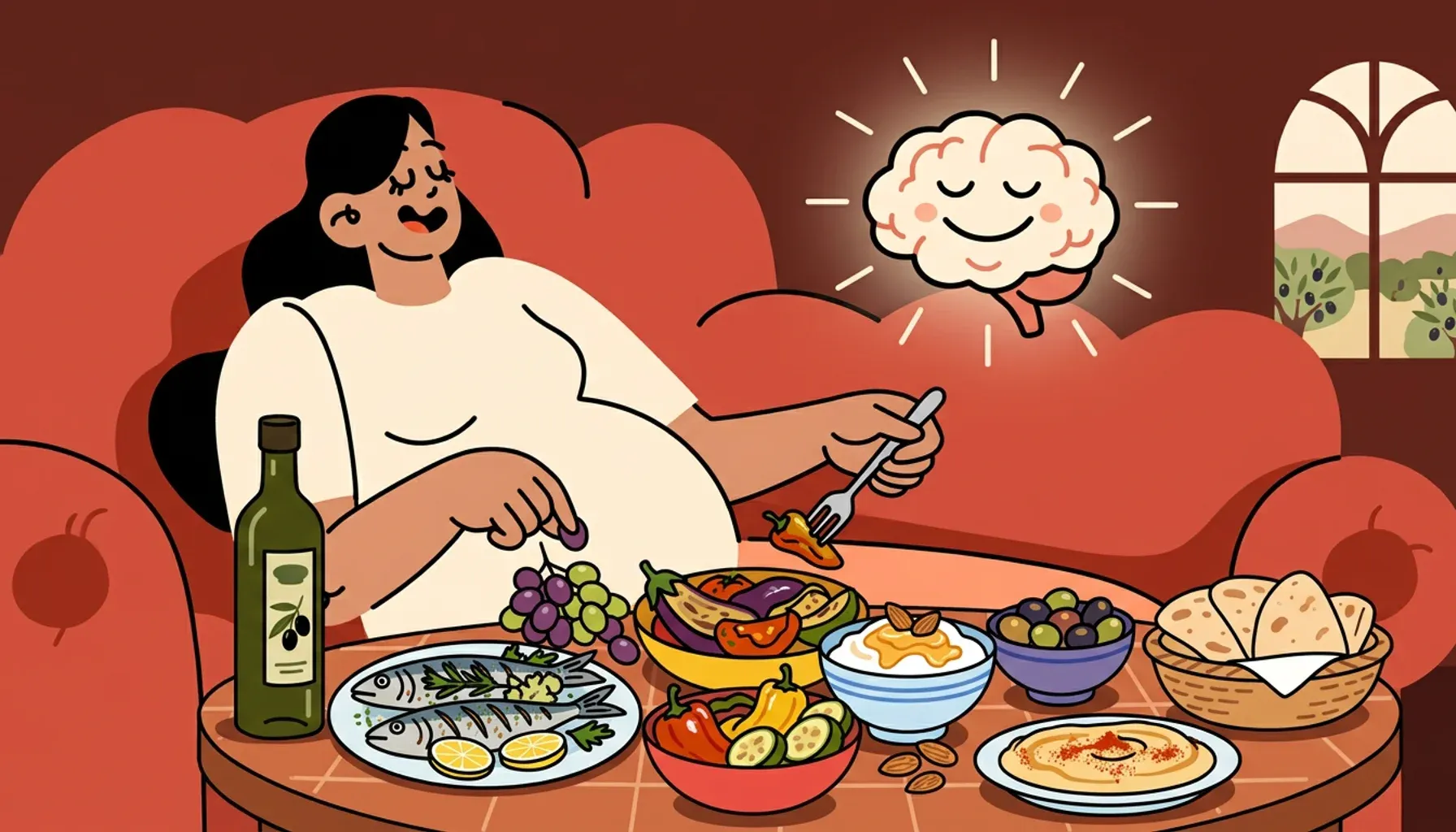
Fish and seafood are the main source of zinc and omega-3 fatty acids. For various reasons, not all expectant mothers eat fish every day: For someone it is expensive, some prefer meat, and some are vegetarian. Some women fear high levels of mercury in fish or parasites that can cause intestinal upsets. And even those who follow the Mediterranean diet usually eat fish no more than three times a week.

If you need to compensate for a lack of zinc and omega-3, you can try cod liver oil supplements. The fatty acids contained in one serving of cod liver can last for a whole week. Vegetarians can replace cod liver oil with olive, sunflower, linseed and soybean oil, though soybean oil has the highest omega-3 content of these options [6].


Frequently asked questions

Yes, depression can occur at any stage of pregnancy, including early pregnancy. Hormonal changes that begin shortly after conception can contribute to mood changes and depression symptoms.

Omega-3 fatty acids, zinc, iron, and calcium are key nutrients that support mental health during pregnancy. These nutrients help with hormone regulation and neurotransmitter production.

Prenatal depression affects approximately 1 in 5 women during the third trimester. However, depression can occur at any stage of pregnancy due to hormonal and nutritional factors.

Supplements like omega-3s, calcium, and iron may help support mood during pregnancy. Always consult your healthcare provider before starting any supplements, especially after a positive pregnancy test.

Medical Disclaimer

This article is for informational purposes only and is not a substitute for professional medical advice, diagnosis, or treatment. Always seek the advice of your physician or qualified health provider with any questions you may have regarding a medical condition.

Meet our medical experts

Medically reviewed content

Reviewed by healthcare professionals · Updated June 2, 2025

Track your pregnancy on the go

Rated 4.8417,594 reviews