Aging of the placenta: what is it?
The placenta is an organ with its own life cycle. It develops with the child. The age of the placenta is determined by the Grannum scale [1], and there are four stages of development:
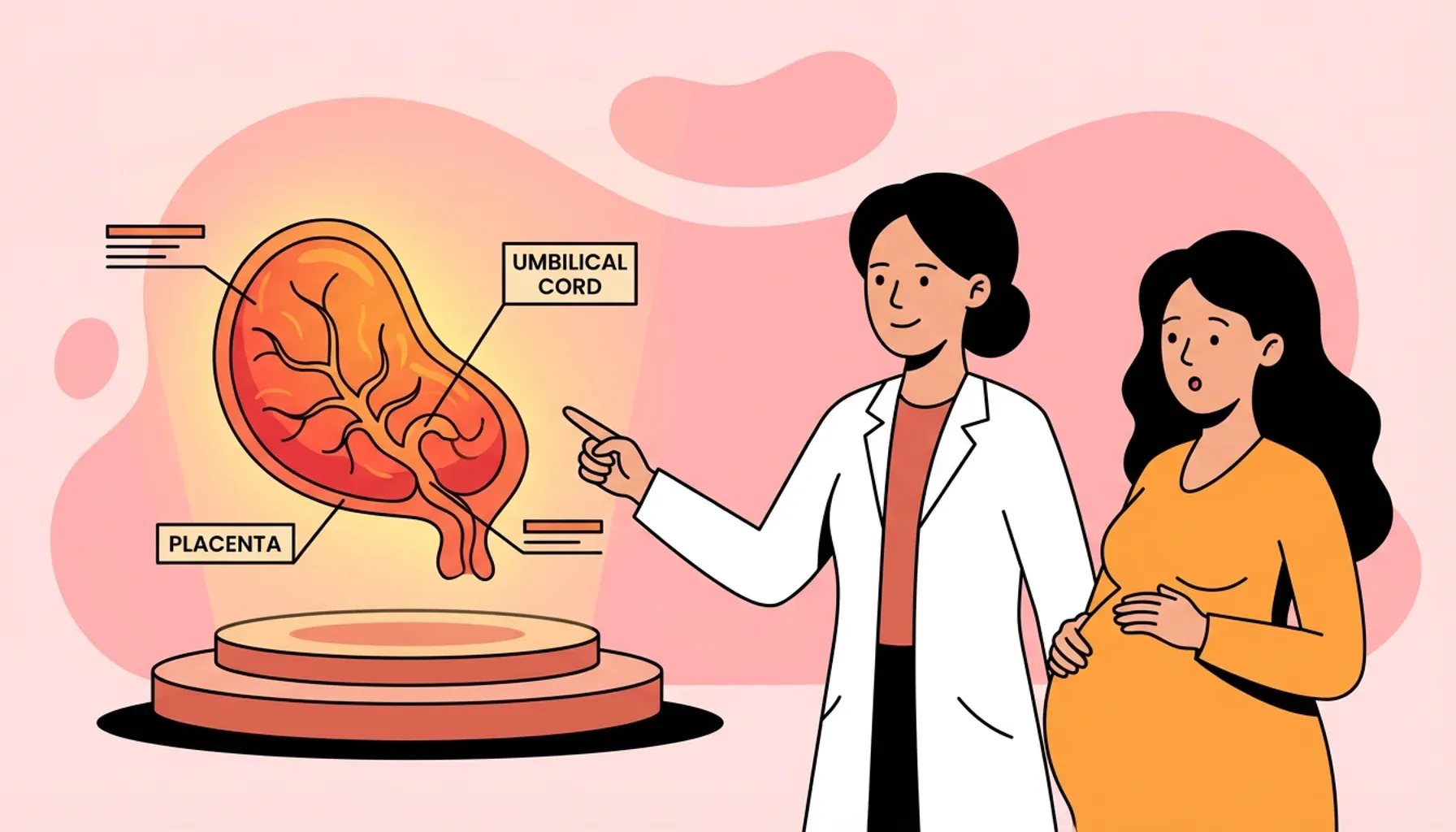
Placental aging is the natural maturation process of the placenta measured by the Grannum scale through four stages from conception to birth. Normal calcium deposits form throughout pregnancy, but premature calcification before 32 weeks may require close monitoring.
The placenta is an organ with its own life cycle. It develops with the child. The age of the placenta is determined by the Grannum scale [1], and there are four stages of development:
Placental aging follows the Grannum scale with four stages: up to 18 weeks, 18-29 weeks, 30-38 weeks, and after 39 weeks. Each stage involves normal calcium deposit formation as the placenta matures alongside your baby.
Normal placental calcification is not dangerous and provides calcium reserves for your growing baby. However, premature calcification before 32 weeks may slightly increase preterm birth risk and requires monitoring.
Placental maturity is assessed through ultrasound examination using the Grannum scale. The assessment can be subjective, with different doctors potentially giving varying opinions on the same scan.
Concern arises when Grade III placental aging occurs before 32 weeks of pregnancy. Your doctor will recommend Doppler monitoring every two weeks to ensure proper blood flow and baby development.
There's no known way to prevent placental aging as researchers don't fully understand why calcification occurs. Focus on maintaining good prenatal care and following your doctor's monitoring recommendations.
Medical Disclaimer
This article is for informational purposes only and is not a substitute for professional medical advice, diagnosis, or treatment. Always seek the advice of your physician or qualified health provider with any questions you may have regarding a medical condition.
Meet our medical expertsMedically reviewed content
Reviewed by healthcare professionals · Updated June 5, 2025
This article is based on peer-reviewed research and trusted medical sources.
You might also like
 Pregnancy 3 min
 Discover what placental calcification means for your pregnancy and baby's health. Learn about premature maturation signs and monitoring options. Get informed today!
 Pregnancy 3 min
 Learn about placenta previa symptoms, treatment options, and what it means for your delivery. Essential information for expecting parents. Get expert guidance today!
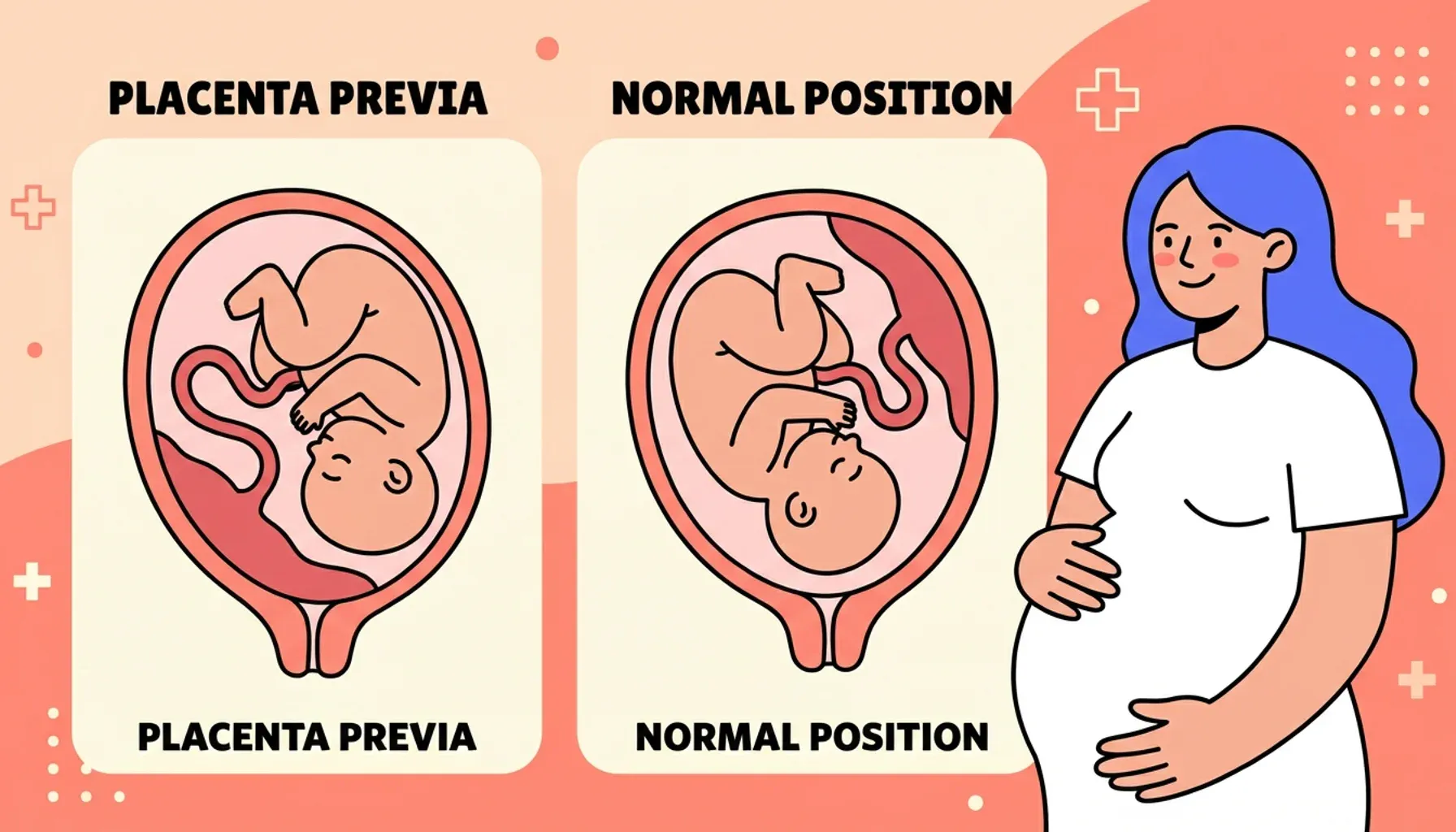 Pregnancy 1 min
 Learn about placenta previa during pregnancy - causes, diagnosis, and outcomes. Essential information for maintaining a healthy pregnancy. Get expert guidance now.
 Pregnancy 3 min
 Learn how a fully formed placenta supports your healthy pregnancy by producing hormones and protecting your baby. Discover key fetal developments this week.