EN
try amma today
Safety tips for a two-child household
New Parent

Safety tips for a two-child household

2 min read
Key takeaways
2 min
  • Establish clear rules with older children about what they can and cannot do around the baby, including no unsupervised picking up or feeding.
  • Keep baby's sleep area free from toys and soft items that older siblings might place in the crib to prevent suffocation hazards.
  • Never leave children alone in bathrooms or bathing areas, even for brief moments, as drowning can occur in minimal water.
  • Separate age-appropriate toys to prevent choking hazards from small parts, batteries, and magnets that babies could swallow.
  • Secure furniture, empty baths after use, and keep medicines and electrical items out of reach to protect both children.

Essential two-child household safety includes never leaving children unsupervised, establishing clear rules for older siblings, keeping age-inappropriate toys separated, securing furniture and hazardous items, and maintaining constant adult supervision especially in bathrooms and sleep areas.

amma app

Track your pregnancy in the app

Personalized content for your pregnancy week

Download App

Having an older child and a baby can be a lot of fun, but it's important to keep everyone safe. Here are some friendly tips to help.

Don't rely on your older child. Only adults should take care of babies under six months old [1]. While older kids love to help, they aren’t quite ready for big responsibilities. Kids around twelve to fourteen can start looking after younger siblings more independently [1].

Discuss the rules. If your older child understands "yes" and "no," talk to them about what they can and can’t do. Be specific, like:

  • No giving food or medicine to the baby.

  • No giving the baby toys without asking.

  • No picking up the baby if an adult isn’t nearby.

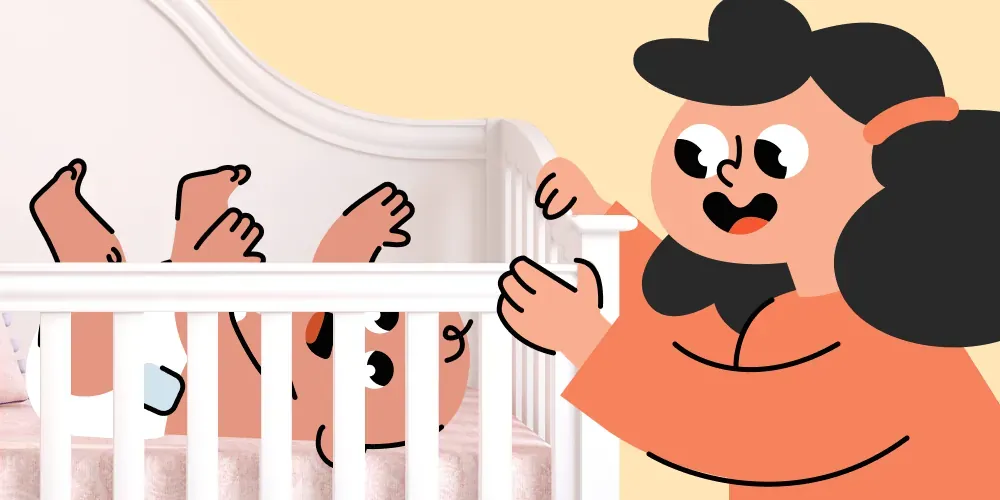
Watch the baby’s sleep space. Older kids love putting toys in the baby’s crib. While it’s cute, it’s not always safe. Soft toys can be a suffocation hazard [2]. Keep the crib in your room and remove any extra items.

Don’t leave kids alone in the bathroom. Not even for a minute. Kids don’t know how to handle emergencies and shouldn’t be left to figure it out on their own [3].

Secure the house. Keep toys separate. Older kids’ toys often have small parts that can be a choking hazard for babies. The same goes for batteries and magnets, which are very dangerous if swallowed [4, 5].

Think about your older child’s safety too. After bathing your baby, always empty the bath [3]. Keep medicines and electrical appliances (like a breast pump and baby monitor) out of reach. Secure furniture like the crib and dressers to prevent them from tipping over.

Don't be too strict! Sometimes older siblings might push or hit the baby. Gently remind them that it’s not okay, but avoid harsh punishments. Being too strict can actually make siblings more aggressive [6].

Frequently asked questions

Children aged 12-14 can begin more independent sibling care responsibilities. Before this age, older children should only help under direct adult supervision and should not be relied upon for primary baby care.

Store toys with small parts, batteries, and magnets separately from baby-safe items. Create designated play areas and regularly check that choking hazards haven't migrated to baby's accessible spaces.

Gently but firmly remind them that hitting or pushing isn't okay, but avoid harsh punishments. Overly strict discipline can actually increase sibling aggression rather than reduce it.

No, children under 12 should never be left alone to supervise babies, especially in potentially dangerous areas like bathrooms. Even brief moments unsupervised can lead to accidents.

Medical Disclaimer

This article is for informational purposes only and is not a substitute for professional medical advice, diagnosis, or treatment. Always seek the advice of your physician or qualified health provider with any questions you may have regarding a medical condition.

Meet our medical experts

Medically reviewed content

Reviewed by healthcare professionals · Updated September 4, 2024

Track your pregnancy on the go

Rated 4.8417,594 reviews