EN
try amma today
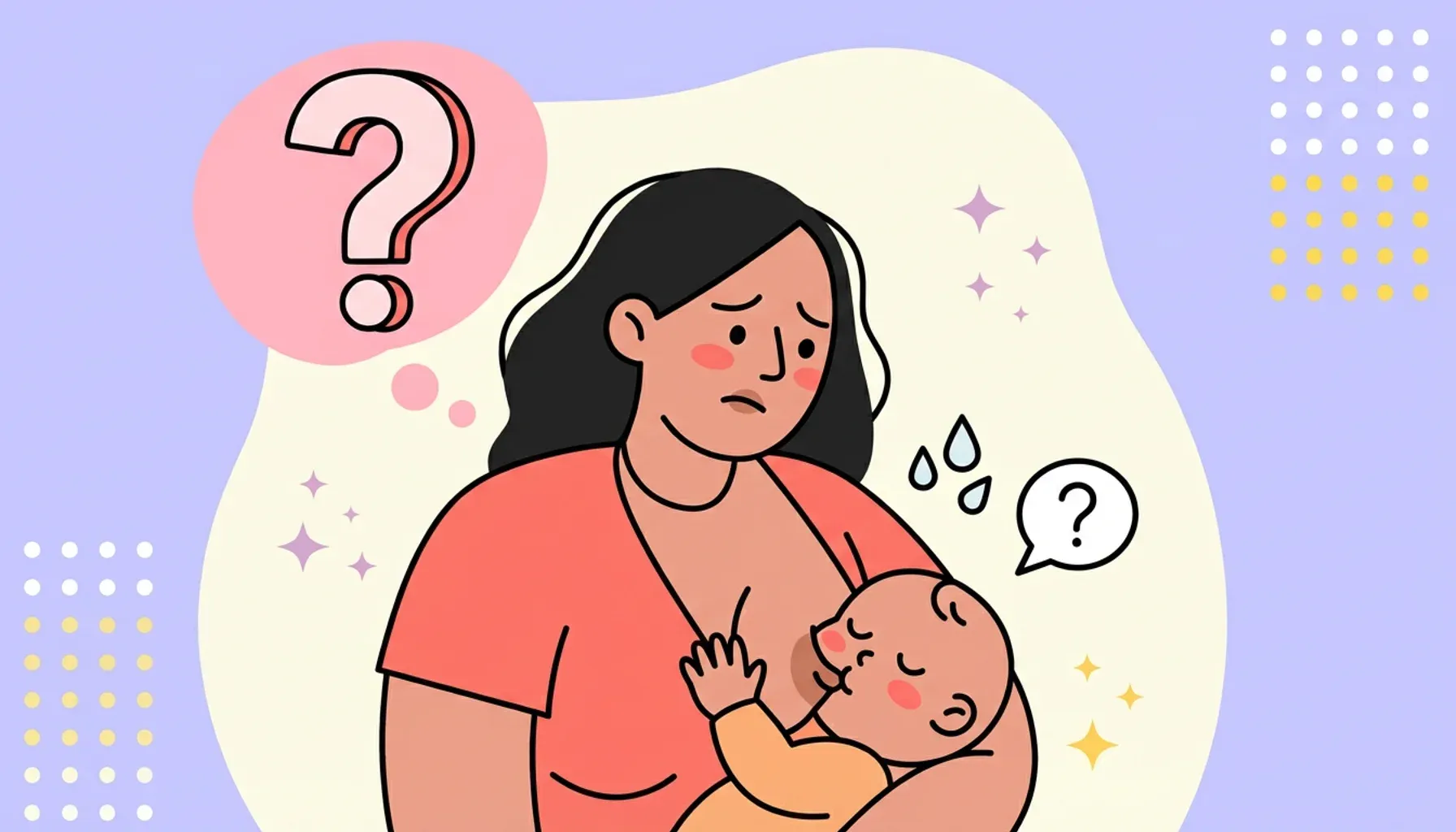
How to accept not being able to breastfeed
New Parent

How to accept not being able to breastfeed

2 min read
Key takeaways
2 min
  • Acknowledge that feelings of frustration, guilt, or disappointment about not breastfeeding are completely normal and valid emotions.
  • Research quality formula options with your pediatrician to ensure your baby receives proper nutrition for healthy growth and development.
  • Transform bottle feeding into bonding time by maintaining eye contact, talking, singing, and holding your baby close during feeds.
  • Focus on other forms of physical connection like cuddling, skin-to-skin contact, and gentle touches to strengthen your emotional bond.
  • Develop positive self-affirmations and avoid comparing your parenting journey to others' experiences with breastfeeding.

Accept not being able to breastfeed by acknowledging your feelings as normal, choosing quality formula with your pediatrician, creating bonding moments during bottle feeding through eye contact and cuddling, and focusing on positive self-affirmations about your parenting abilities.

amma app

Track your pregnancy in the app

Personalized content for your pregnancy week

Download App

Either way, you are the best mom your baby could have!

Mother's milk is the best food for your baby. It has the perfect balance of vitamins and trace elements, it strengthens the immune system and reduces the risk of many diseases. And of course, it helps to establish an emotional bond between mom and baby [1].

But if you can't breastfeed, the thought of you and your baby missing out on all of these benefits may be weighing on you. You may be experiencing embarrassment, discomfort, or even guilt. Here are seven ways to deal with uncomfortable emotions around not breastfeeding.

Acknowledge your feelings

It's perfectly normal to feel frustrated, depressed, or annoyed. You don't have to chase these emotions away. They are natural.

Learn more about artificial feeding

The WHO estimates that mother's milk is the ideal food for babies [2]. However, a quality formula is a worthy alternative to breastfeeding and has everything your baby needs for growth and development. Explore your options with your pediatrician and choose the best one.

Turn bottle feeding into an intimate experience

You can bond with your baby and form a strong attachment without breastfeeding. When feeding, look your baby in the eye, talk, and sing to them.

Do not forget about body contact

Hold your baby in your arms often, hold them close to you, and kiss and cuddle as much as you want to. These sweet and tender actions help strengthen your emotional bond with your baby.

Do not compare yourself with others

Every mom's experience is unique. Love and care come in many different ways.

Remind yourself of your strength

Make a mental note of all the things you do to be a responsive, attentive, and loving mom. There are plenty, and you should feel good about all of them.

Think of an encouraging phrase to say to yourself

For example: "I am a loving mom; I do everything I can to keep my baby healthy and happy". Repeat it as often as possible.



Frequently asked questions

Yes, it's completely normal to feel guilty, frustrated, or disappointed when you can't breastfeed. These emotions are natural and experienced by many mothers. Acknowledging these feelings is the first step toward healing and acceptance.

Absolutely! Bonding happens through many activities beyond breastfeeding, including eye contact during feeding, skin-to-skin contact, talking, singing, and cuddling. Formula feeding can be just as intimate when done with intention and care.

While breast milk is considered ideal, quality infant formula provides all the essential nutrients your baby needs for healthy growth and development. Consult with your pediatrician to choose the best formula option for your baby's specific needs.

Hold your baby close, maintain eye contact, talk or sing during feeds, and ensure plenty of skin-to-skin contact. Create a calm, loving environment and focus on being present during feeding times.

Medical Disclaimer

This article is for informational purposes only and is not a substitute for professional medical advice, diagnosis, or treatment. Always seek the advice of your physician or qualified health provider with any questions you may have regarding a medical condition.

Meet our medical experts

Medically reviewed content

Reviewed by healthcare professionals · Updated September 2, 2024

This article is based on peer-reviewed research and trusted medical sources.

  1. Breastfeeding Your Baby. ACOG.
  2. Breastfeeding. World Health Organization.

Track your pregnancy on the go

Rated 4.8417,594 reviews