
During childbirth, the area between the vagina and anus (perineum) stretches to the point that it might tear. To avoid significant tearing doctors traditionally made an incision on the perineum called an episiotomy, believing that an intentional incision would heal better than a natural tear. Today, data suggests that an episiotomy does not heal nor protect the integrity of the connective tissue that supports the pelvic floor muscles better than a natural tear [1]. Still, there are cases in which doctors will decide that an episiotomy is the best course of action.
Both a natural tear and an episiotomy can be a traumatic experience for a woman, but by learning about proper healing and care, you can help your body recover faster.
Will the stitches hurt?
Pain in the perineum will depend on the extent of your wound. General soreness can persist for an average of three to four weeks [2, 3].
Sitting down and going to the toilet can be especially painful. In the sitting position, the perineum stretches, causing pain in the wound. Straining for a bowel movement can be quite challenging and urine can cause a burning sensation.
How can I relieve the pain?
There are several things you can do to lessen discomfort and pain in the perineum after childbirth:
Avoid sitting for long periods, you can stand, walk, or lie down for the majority of time during the first few days.
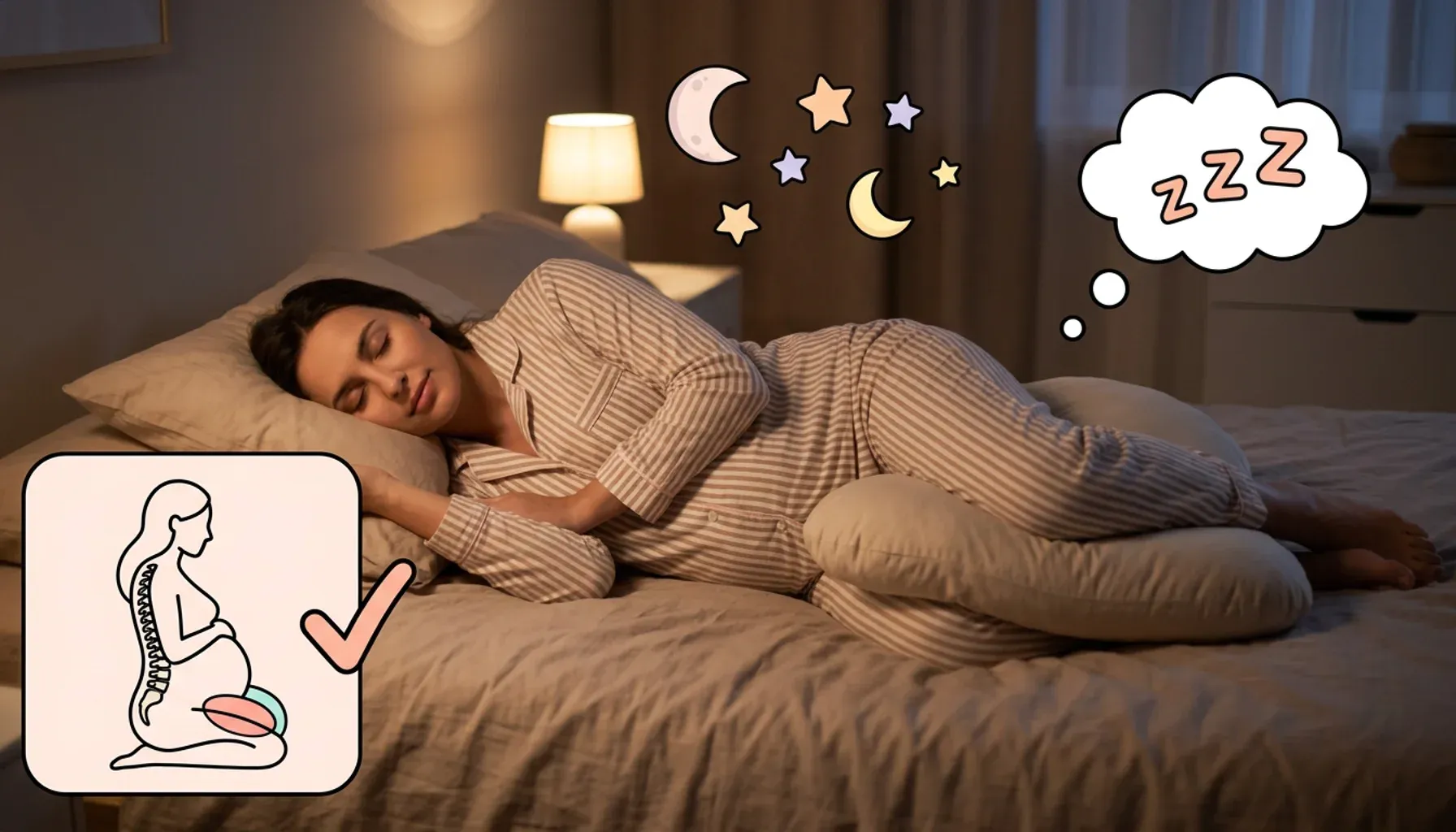
Try to feed the baby while lying on your side to keep the load on the perineum to a minimum [2].
Pouring warm water over the perineum (either by peeing in the shower or by using a squirt bottle while on the toilet) can help reduce the burning sensation.
Drinking more water and eating more fiber can help avoid constipation and straining. If this does not help, talk to your doctor about taking a laxative.
How do I care for the wound?
A lot depends on the degree of your tear or incision. Your doctor will give you specific instructions depending on your situation. Most often, after being discharged from the hospital, special treatment is no longer required, but it is important to follow a few general rules [4]:
Wash the area with warm water only. Soap and even special vaginal washes can cause a reaction and slow down the healing process.
Change pads often.
Wash your hands before and after going to the toilet or changing your pad to reduce the risk of infection.
Examine the perineum with a mirror every so often. Redness and swelling should disappear about three to six weeks after delivery [3].
When should I see a doctor?
Any hint of an infection is a reason enough to consult a doctor [4]:
redness and swelling of the perineum;
discharge, pus, or fluid coming from the wound;
increased pain;
an unusual smell.
If everything appears normal, you can see your gynecologist six to eight weeks after giving birth as part of your postnatal care.
Did you suffer any ruptures or have an episiotomy during childbirth? Share your pain relief methods in the comments.
This article was created in association with UNFPA, the United Nations sexual and reproductive health agency.