
After pregnancy and delivery, your body has been through so much! Your diet is an important factor in bouncing back with energy, strength, tranquility, and focus. As you get into a post-pregnancy routine, it becomes important to get your BMI back into a healthy range. On that note, here are some guidelines to keep in mind.
Which food is the most nutritious?
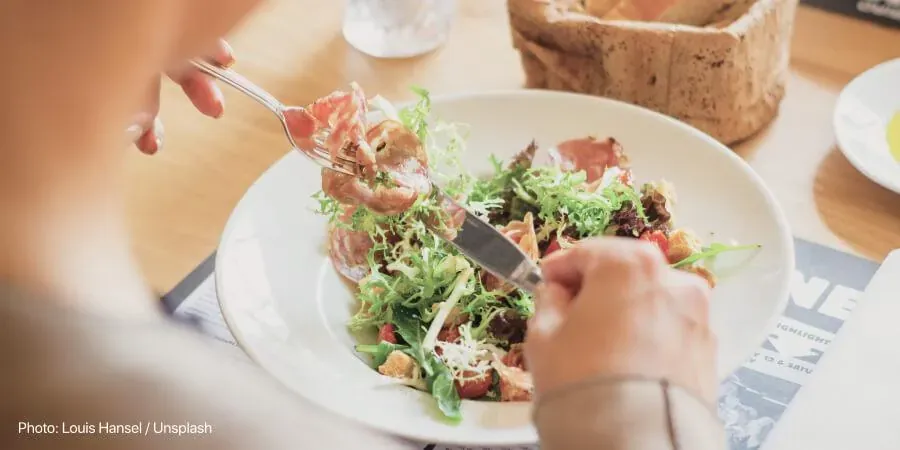
Good sources of protein can be found in lean meats like chicken or turkey breast, fish, low fat dairy products, eggs, and nuts. Protein helps satiate your appetite, and your body expends a lot of energy digesting it; therefore, it supports post-pregnancy weight loss in a healthy, natural way [1, 2].
What else does the body need?
Fiber also requires a lot of time and energy to digest, so it keeps you feeling full longer. Great sources of fiber include beans, broccoli, carrots, avocados, apples, pears, turnips, sunflower seeds, and flax. You can also choose whole wheat pasta, oats, or barley. Make sure to choose whole grains over white or refined flour products [3].
Which products are better to avoid?
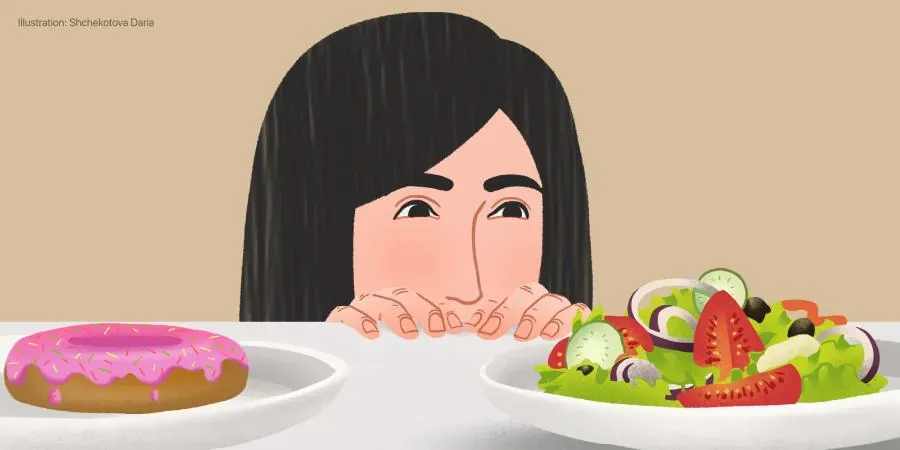
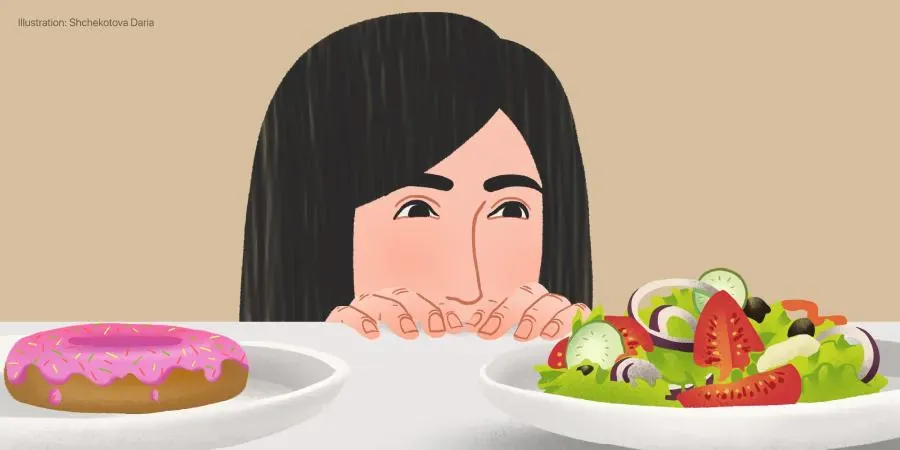
For weight loss and to support a healthy body, avoid refined and added sugars. Sugar is abundant in baked goods, white bread, and store-bought desserts and processed snacks of all kinds. But even your favorite yogurt or cereal might be hiding a lot of sugar! Even some canned fruits and vegetables, jarred tomato sauces, boxed breadcrumbs, and similar foods contain a shocking amount of sugar. Read food labels carefully.
Eating refined sugar contributes to obesity and increases your risk of diabetes and cardiovascular disease. It may even hinder your mental capabilities [4].
What's wrong with fast food?
In addition to being very salty and greasy, fast food also tends to be full of hidden sugar. None of these features is good for your body or conducive to healthy BMI. Also in this category: packaged, processed snacks, sausage and bacon, and potato chips. Eat these foods very sparingly [5].
What to do when hunger suddenly strikes?
When hunger sneaks up on you, it’s good to be prepared with healthy choices. Don’t give in to the vending machine! Don’t keep those brightly-packaged sugar bombs in your pantry! Instead, keep fresh fruit on hand and plenty of easy-to-pack snacks like low sugar granola bars, dried fruit, mixed nuts, low sugar yogurt, and celery and baby carrots.
Is it necessary to drink a lot of water?
Drink when you're thirsty. Keep in mind that breastfeeding mothers need more water, as a lot of fluid is used to produce milk [6]. Don’t reach for a soda or juice; those can pack an extra (and unsatisfying) 200 calories into your day without your even noticing it, all from sugar [7]. And as we covered, eating large amounts of sugar is tied to obesity, diabetes, and heart disease [4]. Stick to water and herbal teas to hydrate your healthy, strong body.